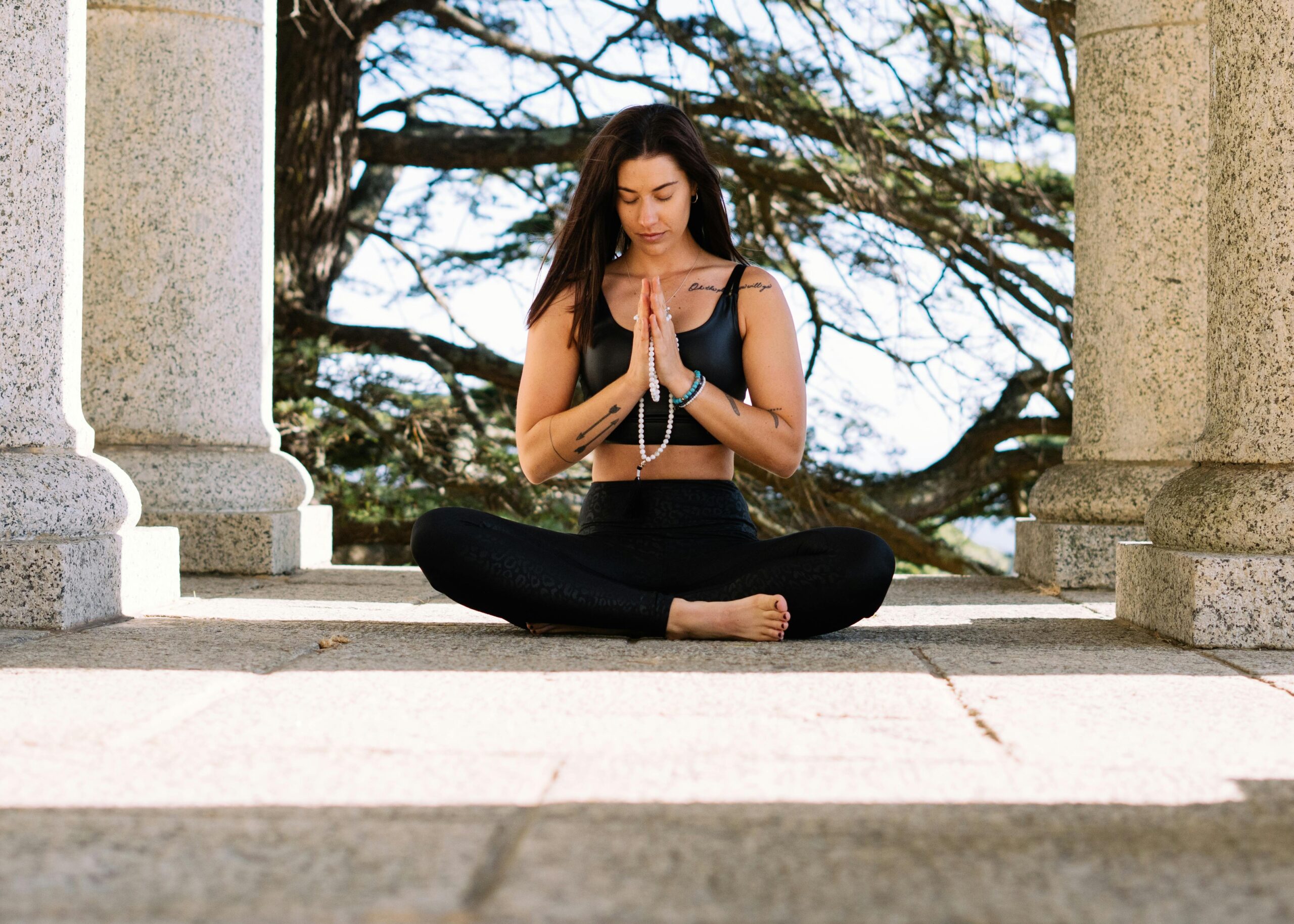
In a world filled with constant noise and relentless demands, finding inner peace can feel like an impossible dream. Yet, the solution may be simpler than you think—it begins with your breath.

Breath-led emotional clearing represents a profound intersection between ancient wisdom and modern neuroscience, offering a transformative pathway to mental clarity and emotional balance. This practice harnesses the natural rhythms of your breathing to release trapped emotions, calm anxious thoughts, and create space for genuine renewal. When you learn to consciously direct your breath with intention, you unlock a powerful tool that’s always available, never requires external resources, and can fundamentally reshape your relationship with your inner world.
🌬️ Understanding the Breath-Emotion Connection
Your breath and emotions share an intricate, bidirectional relationship that most people never consciously observe. When you’re anxious, your breathing becomes shallow and rapid. When you’re relaxed, it naturally deepens and slows. This isn’t coincidental—it’s a fundamental aspect of your nervous system’s design.
The vagus nerve, which runs from your brainstem to your abdomen, serves as the primary communication highway between your brain and body. When you consciously manipulate your breathing patterns, you directly influence vagal tone, which in turn affects your emotional state, stress response, and overall sense of wellbeing. This physiological reality transforms breath from a passive bodily function into an active tool for emotional regulation.
Research from institutions like Stanford University and Harvard Medical School has demonstrated that specific breathing patterns can reduce cortisol levels, lower blood pressure, and activate the parasympathetic nervous system—your body’s natural relaxation response. This scientific validation confirms what yogis and meditation practitioners have known for millennia: breath is the bridge between body and mind.
The Mechanics of Emotional Clearing Through Breath
Emotional clearing isn’t about suppressing feelings or forcing positivity. Instead, it’s about creating a safe internal environment where emotions can be fully experienced, processed, and released. Your breath serves as both the catalyst and the container for this process.
When you engage in intentional breathing practices, you’re essentially giving your nervous system permission to let go of stored tension and unprocessed emotions. Many people carry years of accumulated stress in their bodies—tight shoulders, clenched jaws, restricted breathing patterns—all physical manifestations of emotional holding.
How Breath Facilitates Emotional Release
The mechanism works through several interconnected pathways. First, focused breathing increases oxygen flow to your brain, particularly the prefrontal cortex, which governs emotional regulation and decision-making. Second, rhythmic breathing activates your parasympathetic nervous system, signaling safety to your entire organism. Third, the physical act of deep breathing creates expansion in your chest and abdomen, literally making space where constriction once existed.
This combination creates optimal conditions for emotional processing. Feelings that have been locked away in your body’s tissues can surface gently, be acknowledged without judgment, and dissolve naturally—like ice melting in the sun.
Foundational Breath-Led Clearing Techniques
While numerous breathing practices exist across various traditions, certain techniques prove particularly effective for emotional clearing and inner peace. Each offers unique benefits and can be adapted to your specific needs and circumstances.
The 4-7-8 Breathing Method for Anxiety Release
Developed by Dr. Andrew Weil, this technique serves as a natural tranquilizer for the nervous system. You inhale through your nose for four counts, hold for seven counts, and exhale completely through your mouth for eight counts. The extended exhale activates your parasympathetic response, while the hold allows oxygen to fully circulate through your bloodstream.
Practice this technique when anxiety arises, before sleep, or during moments of emotional intensity. Within just four cycles, most people notice a significant shift in their mental and emotional state. The beauty of this method lies in its simplicity and accessibility—it requires no special equipment, training, or environment.
Box Breathing for Mental Clarity
Navy SEALs and elite athletes use box breathing to maintain composure under extreme pressure. The practice involves equal counts for inhale, hold, exhale, and hold—typically four to six counts each, forming a “box” pattern. This balanced approach creates equilibrium in your nervous system and clears mental fog.
Box breathing proves especially valuable when you need to make important decisions, manage overwhelm, or transition between demanding activities. The symmetrical nature of the practice brings order to chaotic thoughts and emotions, creating a sense of internal organization and control.
Coherent Breathing for Emotional Balance
This technique involves breathing at a rate of approximately five breaths per minute—six seconds in, six seconds out. This specific rhythm optimizes heart rate variability, the measure of your nervous system’s flexibility and resilience. Regular practice of coherent breathing has been shown to reduce symptoms of depression, anxiety, and post-traumatic stress.
The gentleness of coherent breathing makes it accessible even during acute emotional distress. Unlike more forceful techniques, it doesn’t trigger resistance or overwhelm. Instead, it gently guides your system toward balance through rhythmic repetition.
💫 Creating Your Personal Emotional Clearing Practice
Transforming your mind and emotions through breath requires more than intellectual understanding—it demands consistent practice. Building a sustainable routine ensures you reap the long-term benefits of these powerful techniques.
Establishing Your Practice Foundation
Begin with just five minutes daily, preferably at the same time each day. Morning practice sets a calm, centered tone for your entire day, while evening practice facilitates the release of accumulated stress and promotes restful sleep. Consistency matters more than duration in the early stages.
Create a dedicated space for your practice, even if it’s just a specific chair or corner of a room. This physical anchor helps signal to your mind and body that it’s time for inner work. You might include elements that support relaxation—soft lighting, comfortable seating, or minimal distractions.
Progressive Integration into Daily Life
As your practice deepens, begin integrating breath awareness into everyday activities. Practice conscious breathing while waiting in line, during your commute, or between tasks. These micro-practices accumulate tremendous benefits over time and help you maintain emotional equilibrium throughout the day’s demands.
Notice your breathing patterns during various emotional states. When frustration arises, pause and observe your breath without trying to change it. This awareness alone often initiates a natural shift toward calmer breathing. You’re training your attention to recognize the breath-emotion connection in real-time.
Advanced Practices for Deep Transformation
Once you’ve established foundational practices, you can explore more intensive techniques designed to access deeper layers of emotional holding and facilitate profound renewal.
Breath of Fire for Energy Clearing
This rapid, rhythmic breathing technique from Kundalini yoga generates internal heat and moves stagnant energy. Through quick, powerful exhales driven by your abdominal muscles, you create a pumping action that stimulates your entire system. This practice proves particularly effective for breaking through emotional numbness or lethargy.
However, breath of fire requires proper instruction and should be approached cautiously. Start with just 30 seconds to one minute, and never practice when pregnant, during menstruation, or if you have high blood pressure or respiratory conditions.
Holotropic Breathwork for Deep Release
Developed by psychiatrist Stanislav Grof, holotropic breathwork involves accelerated breathing over extended periods (typically 30-60 minutes) to access non-ordinary states of consciousness. This intensive practice can facilitate the release of deeply stored trauma and emotional blockages.
Due to its intensity, holotropic breathwork should ideally be practiced in a supervised setting with trained facilitators. The practice can bring up powerful emotions and memories, making professional support valuable for integration and safety.
🌟 Overcoming Common Challenges and Resistance
Even with the most powerful techniques, practitioners inevitably encounter obstacles. Understanding common challenges helps you navigate them with greater ease and maintain your commitment to the practice.
Working with Emotional Intensity
Sometimes breath-led clearing brings uncomfortable emotions to the surface. You might experience sadness, anger, fear, or grief without apparent cause. This isn’t a problem—it’s precisely the point. Your breath is facilitating the release of stored emotions that have been waiting for safe expression.
When intensity arises, resist the urge to stop or distract yourself. Instead, continue breathing gently while allowing the emotion to move through you. Remember that emotions are energy in motion—they naturally dissipate when given space rather than suppression. If feelings become overwhelming, simply return to normal breathing and ground yourself by feeling your feet on the floor or your body in the chair.
Managing Mental Restlessness
Your mind will wander during practice—this is completely normal. Rather than viewing thoughts as failure, see them as opportunities to practice gentle redirection. Each time you notice your attention has drifted, simply return focus to your breath without self-criticism. This repeated return strengthens your attention muscles more effectively than maintaining perfect focus.
Some practitioners find it helpful to count breaths or use a simple mantra synchronized with breathing. Others prefer guided breathing meditations that provide structure and support for wandering minds.
The Science Behind Breath-Based Transformation
Understanding the neuroscience underlying breath-led emotional clearing can deepen your commitment and trust in the process. Your brain and body respond to breathing practices in measurable, reproducible ways.
Functional MRI studies show that controlled breathing activates the insula and anterior cingulate cortex—brain regions involved in interoceptive awareness and emotional processing. Regular practice actually increases gray matter density in these areas, enhancing your capacity for emotional regulation and self-awareness over time.
Additionally, breathing exercises influence neurotransmitter production. Deep, slow breathing increases GABA, your brain’s primary calming neurotransmitter, while also optimizing serotonin and dopamine function. These biochemical shifts explain why breathing practices can produce effects comparable to pharmaceutical interventions, but without side effects or dependency.
🧘 Integrating Breath Work with Other Healing Modalities
Breath-led emotional clearing becomes even more powerful when combined with complementary practices. This integrative approach addresses healing from multiple angles simultaneously.
Breath and Mindfulness Meditation
Mindfulness meditation naturally pairs with breath awareness. While breathing techniques actively regulate your state, mindfulness cultivates the witnessing awareness that allows you to observe emotions without identifying with them. Together, they create a complete system for emotional mastery—one tool for regulation, another for perspective.
Somatic Practices and Breathwork
Body-based practices like yoga, tai chi, or qigong inherently incorporate breath awareness while adding the dimension of movement. This combination proves especially effective for releasing emotions stored in muscular tension and postural patterns. As your body opens through movement, your breath can access previously restricted areas, facilitating deeper clearing.
Journaling After Breath Sessions
Many practitioners find that insights and emotions surface during or immediately after breathing practices. Keeping a journal nearby allows you to capture these revelations before they fade. Writing also provides another avenue for emotional processing, translating felt experience into conscious understanding.
Sustaining Your Practice for Long-Term Transformation
Real transformation doesn’t happen overnight—it unfolds through consistent practice over weeks, months, and years. Creating structures that support long-term commitment ensures you continue receiving the cumulative benefits of breath-led emotional clearing.
Track your practice using a simple calendar or app, marking each day you complete your breathing routine. This visual record provides motivation and helps you identify patterns in your consistency. Notice how your emotional baseline shifts over time—you might find that situations that once triggered intense reactions now barely register.
Consider joining or forming a practice group, either in-person or online. The accountability and shared experience of collective practice significantly increases adherence. Hearing others’ experiences normalizes your own process and provides fresh perspectives on common challenges.
Recognizing the Signs of Deep Transformation
As your practice deepens, you’ll notice subtle and not-so-subtle shifts in your inner and outer life. These signs indicate that breath-led emotional clearing is creating genuine transformation rather than temporary relief.
You might observe greater emotional resilience—the ability to experience difficult feelings without being overwhelmed by them. Situations that once derailed your day become manageable bumps in the road. Your recovery time from emotional activation shortens dramatically.
Many practitioners report improved relationships as they become less reactive and more present. When you’re not constantly managing internal emotional turbulence, you have more capacity for genuine connection with others. Your communication becomes clearer, your listening deeper, your compassion more readily accessible.
Physical health often improves alongside emotional wellbeing. Better sleep quality, reduced tension headaches, improved digestion, and decreased chronic pain frequently accompany regular breathing practices. These physical improvements reflect the interconnected nature of your mind-body system.
🎯 Breath-Led Clearing for Specific Emotional States
Different emotional challenges respond particularly well to specific breathing techniques. Tailoring your practice to address current needs maximizes effectiveness.
For anxiety and overwhelm, emphasize extended exhales—making your out-breath longer than your in-breath signals safety to your nervous system. The 4-7-8 technique mentioned earlier works beautifully here, as does simply counting to four on the inhale and six to eight on the exhale.
When experiencing depression, lethargy, or emotional numbness, more energizing practices prove beneficial. Try alternate nostril breathing to balance your brain hemispheres, or gentle breath of fire to mobilize stagnant energy. Even simply taking fuller, deeper breaths can counter the shallow breathing patterns that often accompany depressive states.
For grief and sadness, allow your breath to be gentle and accommodating. Rather than forcing any particular pattern, simply breathe with awareness while giving yourself permission to feel whatever arises. Your breath creates a container of safety within which grief can move through you naturally.

The Ripple Effect: Beyond Personal Peace
While breath-led emotional clearing begins as a personal practice, its effects naturally extend outward. As you cultivate inner peace and emotional balance, you become a stabilizing presence in your relationships, workplace, and community.
Your regulated nervous system literally helps regulate those around you through a phenomenon called co-regulation. When you remain calm and centered during challenging situations, others unconsciously entrain to your state. You become an agent of peace simply through your presence.
This ripple effect represents one of the most profound aspects of breath work. By transforming your own mind and emotions, you contribute to the collective emotional climate of humanity. In a world desperately needing more peace, your personal practice becomes an act of service.
The journey of breath-led emotional clearing invites you into a lifelong relationship with your inner world. It asks you to show up consistently, meet yourself with compassion, and trust in your innate capacity for healing and renewal. The breath has been with you since your first moment of life and will remain until your last—it’s the most faithful companion you’ll ever know. By learning to work consciously with this ever-present ally, you unlock the door to transformation that’s always been within you, waiting for your attention and intention to activate its remarkable power. 🌿