In our fast-paced modern world, finding genuine peace and mental clarity has become increasingly challenging. Virtual reality meditation offers an innovative escape route, combining cutting-edge technology with ancient mindfulness practices to create transformative experiences that heal both mind and soul.

The convergence of meditation and virtual reality represents a revolutionary shift in how we approach mental wellness and spiritual growth. As stress levels continue to rise globally, more people are seeking immersive solutions that transport them beyond the chaos of daily life into realms of profound tranquility and self-discovery.
🌟 The Rise of Virtual Reality as a Meditation Tool
Virtual reality meditation has emerged as a powerful antidote to modern anxiety and stress. Unlike traditional meditation practices that require years of discipline to master, VR meditation creates immediate access to deeply immersive environments that naturally guide the mind toward stillness. This technology eliminates common distractions that plague conventional meditation attempts, such as environmental noise, visual disturbances, and the wandering thoughts that come from being in familiar surroundings.
The neuroscience behind VR meditation is fascinating. When we immerse ourselves in virtual environments, our brains respond as if we’re genuinely present in those spaces. This phenomenon, known as “presence,” activates the same neural pathways that would fire if we were actually standing on a serene mountaintop or floating through space. This authentic neurological response makes VR meditation particularly effective for stress reduction, emotional regulation, and mental rejuvenation.
Understanding the Mind-Body Connection in Virtual Spaces
The human brain possesses an extraordinary ability to blur the lines between physical and virtual experiences. When donning a VR headset and entering a meditation environment, your nervous system begins responding to visual and auditory cues as genuine stimuli. This creates measurable physiological changes: heart rate decreases, cortisol levels drop, and brainwave patterns shift toward states associated with deep relaxation and heightened awareness.
Research conducted at leading universities has demonstrated that VR meditation can produce results comparable to years of traditional meditation practice in significantly shorter timeframes. Participants in these studies showed improved emotional regulation, decreased anxiety symptoms, and enhanced overall well-being after just weeks of consistent VR meditation practice.
How Virtual Environments Enhance Meditation Depth
Virtual reality removes the trial-and-error aspect of learning meditation. Instead of struggling to visualize peaceful landscapes or maintain focus amid distractions, practitioners are instantly transported into carefully designed environments optimized for meditative states. These spaces leverage principles of environmental psychology, incorporating elements like flowing water, natural light patterns, and harmonious color schemes that naturally induce relaxation.
The spatial audio technology used in VR meditation apps creates three-dimensional soundscapes that envelop users completely. Guided meditations become more effective when the instructor’s voice seems to emanate from within the virtual environment itself, while ambient sounds like ocean waves or forest breezes come from directionally accurate locations, deepening the sense of presence and immersion.
🧘 Transformative Benefits for Mental Health and Wellness
The mental health benefits of VR meditation extend far beyond simple relaxation. Regular practitioners report significant improvements in managing depression, reducing panic attacks, and overcoming trauma-related symptoms. The controlled nature of virtual environments provides a safe space for exposure therapy, allowing individuals to confront fears and anxieties in graduated, manageable doses under guided conditions.
Sleep quality improvements rank among the most commonly reported benefits. Using VR meditation sessions before bedtime helps quiet racing thoughts and activates the parasympathetic nervous system, preparing the body for restorative sleep. Many users find that chronic insomnia patterns that resisted other interventions finally improve with consistent VR meditation practice.
Building Emotional Resilience Through Immersive Practice
Virtual reality meditation cultivates emotional resilience by providing regular access to states of inner peace and centeredness. This repeated exposure to calm mental states creates new neural pathways that become easier to access over time, even without the VR headset. Users develop enhanced ability to self-regulate emotions during stressful situations, drawing upon the peace they’ve experienced in virtual environments.
The variety of available meditation environments allows practitioners to address different emotional needs. Feeling overwhelmed? Enter a vast, open desert landscape that provides perspective. Need grounding? Choose a dense forest environment with rich earthy tones and sounds. This flexibility makes VR meditation adaptable to changing mental and emotional states.
Exploring Popular Virtual Reality Meditation Platforms
Several excellent VR meditation applications have established themselves as leaders in this emerging field. TRIPP stands out for its psychedelic-inspired visual environments combined with scientifically-backed meditation techniques. The app offers experiences designed for specific outcomes: calm, focus, or sleep, each with uniquely crafted visual and audio landscapes.
Guided Meditation VR provides one of the most extensive libraries of meditation environments, featuring over 40 different locations ranging from realistic nature scenes to fantastical cosmic journeys. The platform allows users to meditate with or without guided instruction, making it suitable for both beginners and experienced practitioners seeking simple, beautiful spaces for independent practice.
Nature Treks VR offers interactive meditation experiences where users can manipulate their surroundings, creating personalized environments. This engagement adds a creative element to meditation practice, allowing practitioners to design their ideal sanctuary and develop deeper connections with their meditation space.
🌈 Creating Your Personal VR Meditation Practice
Establishing a consistent VR meditation routine requires thoughtful planning and gradual integration into daily life. Begin with shorter sessions of five to ten minutes, allowing your brain and body to adjust to the immersive experience. Some people initially experience mild disorientation or VR fatigue, which typically resolves as they become accustomed to the technology.
Choose a quiet, comfortable physical space where you can sit or recline safely while wearing your headset. Ensure adequate room to move your head freely without striking objects. Consider using a meditation cushion or comfortable chair that supports good posture, as physical comfort significantly impacts meditation quality even in virtual environments.
Optimizing Your Virtual Meditation Sessions
Timing matters when integrating VR meditation into your schedule. Many practitioners find morning sessions set a positive tone for the entire day, while others prefer evening practice to decompress and transition into restful evenings. Experiment with different times to discover what works best for your lifestyle and circadian rhythms.
Create rituals around your VR meditation practice to strengthen the habit. This might include brewing herbal tea beforehand, changing into comfortable clothing, or performing gentle stretches. These preparatory activities signal to your brain that it’s time to shift into a meditative state, enhancing the effectiveness of your practice.
The Science Behind Immersive Meditation Technology
Neuroscientific research into VR meditation reveals fascinating insights into how immersive technology affects brain function. Functional MRI studies show increased activity in brain regions associated with emotional regulation and decreased activity in areas linked to stress response and rumination. This neurological shift happens more rapidly in VR meditation compared to traditional practices, suggesting that immersion accelerates the meditation learning curve.
Heart rate variability (HRV), a key indicator of stress resilience and autonomic nervous system health, shows measurable improvement following VR meditation sessions. Higher HRV correlates with better cardiovascular health, emotional regulation, and overall wellness. Regular VR meditation practitioners demonstrate sustained HRV improvements that persist beyond individual sessions.
Brainwave Patterns and Virtual Immersion
EEG measurements of meditators using VR technology reveal increased alpha and theta brainwave activity, patterns associated with deep relaxation, creativity, and the threshold between consciousness and sleep. These beneficial brainwave states typically require extensive traditional meditation practice to access consistently, yet VR environments can facilitate their emergence within minutes of immersion.
The visual and auditory entrainment techniques embedded in quality VR meditation apps guide brainwave activity toward desired states. Subtle pulsing lights synchronized with specific frequencies or binaural beats integrated into soundscapes naturally encourage the brain to adopt corresponding rhythms, deepening the meditative experience.
💫 Beyond Stress Relief: Spiritual and Creative Applications
While stress reduction remains the primary motivation for most VR meditation users, the technology offers profound applications for spiritual exploration and creative development. Virtual environments can simulate experiences traditionally requiring psychedelic substances or years of intensive spiritual practice, such as ego dissolution, cosmic consciousness, or mystical union experiences.
Artists, writers, and other creative professionals increasingly use VR meditation to overcome creative blocks and access flow states. The combination of relaxation and novel sensory input provided by immersive environments stimulates divergent thinking and novel idea generation. Many report breakthrough insights and creative solutions emerging during or immediately after VR meditation sessions.
Cultivating Compassion and Connection
Some VR meditation platforms include experiences specifically designed to enhance empathy and compassion. These sessions might involve visualizations of sending loving-kindness to others or experiencing perspectives dramatically different from our own. The immersive nature of VR makes these empathy-building exercises particularly impactful, creating emotional resonance that abstract thinking alone cannot achieve.
Group meditation experiences in virtual reality are emerging as social technologies develop. These shared virtual spaces allow practitioners worldwide to meditate together in beautiful environments, creating community connections and shared accountability that support consistent practice.
Overcoming Common Challenges and Misconceptions
Despite its benefits, some people hesitate to try VR meditation due to concerns about technology dependence or authenticity. These concerns deserve thoughtful consideration. VR meditation should be viewed as a tool rather than a replacement for all traditional practices. Many practitioners find that VR sessions complement rather than replace conventional meditation, breath work, or yoga practices.
Motion sickness or “VR sickness” affects some users, particularly when first experiencing virtual reality. This typically diminishes with exposure, and choosing meditation apps with minimal movement reduces symptoms. Starting with stationary environments and gradually exploring more dynamic spaces allows gradual adaptation.
Balancing Technology and Natural Practice
The goal of any meditation practice, including VR-assisted approaches, should be developing internal resources for peace and presence. Regular VR meditation can accelerate skill development, but periodically practicing without technology ensures you can access calm states independently. Consider alternating VR sessions with traditional meditation to maintain this balance.
Privacy concerns regarding VR technology warrant attention. Research the data practices of meditation apps you use, understanding what information they collect and how it’s utilized. Reputable platforms prioritize user privacy and provide transparent information about data handling.
🎯 The Future of Virtual Reality Meditation
The VR meditation landscape continues evolving rapidly. Emerging technologies like haptic feedback suits that simulate gentle touches, temperature changes, or breezes will deepen immersion further. Brain-computer interfaces may eventually allow VR environments to respond in real-time to users’ mental states, automatically adjusting to optimize meditation depth.
Artificial intelligence integration promises personalized meditation experiences that adapt to individual progress, preferences, and current emotional needs. These smart systems could curate session sequences designed to address specific goals, whether reducing anxiety, improving focus, or exploring consciousness expansion.
As VR hardware becomes more affordable and accessible, virtual reality meditation will likely become as commonplace as smartphone meditation apps are today. This democratization of advanced meditation technology has potential to significantly impact global mental health, providing effective, accessible tools for psychological wellbeing to populations previously underserved by traditional mental health resources.
Taking Your First Steps Into Virtual Meditation
If you’re ready to explore VR meditation, start by researching available platforms and reading user reviews to find apps aligned with your goals and preferences. Most quality meditation apps offer free trial periods or limited free content, allowing experimentation before committing financially.
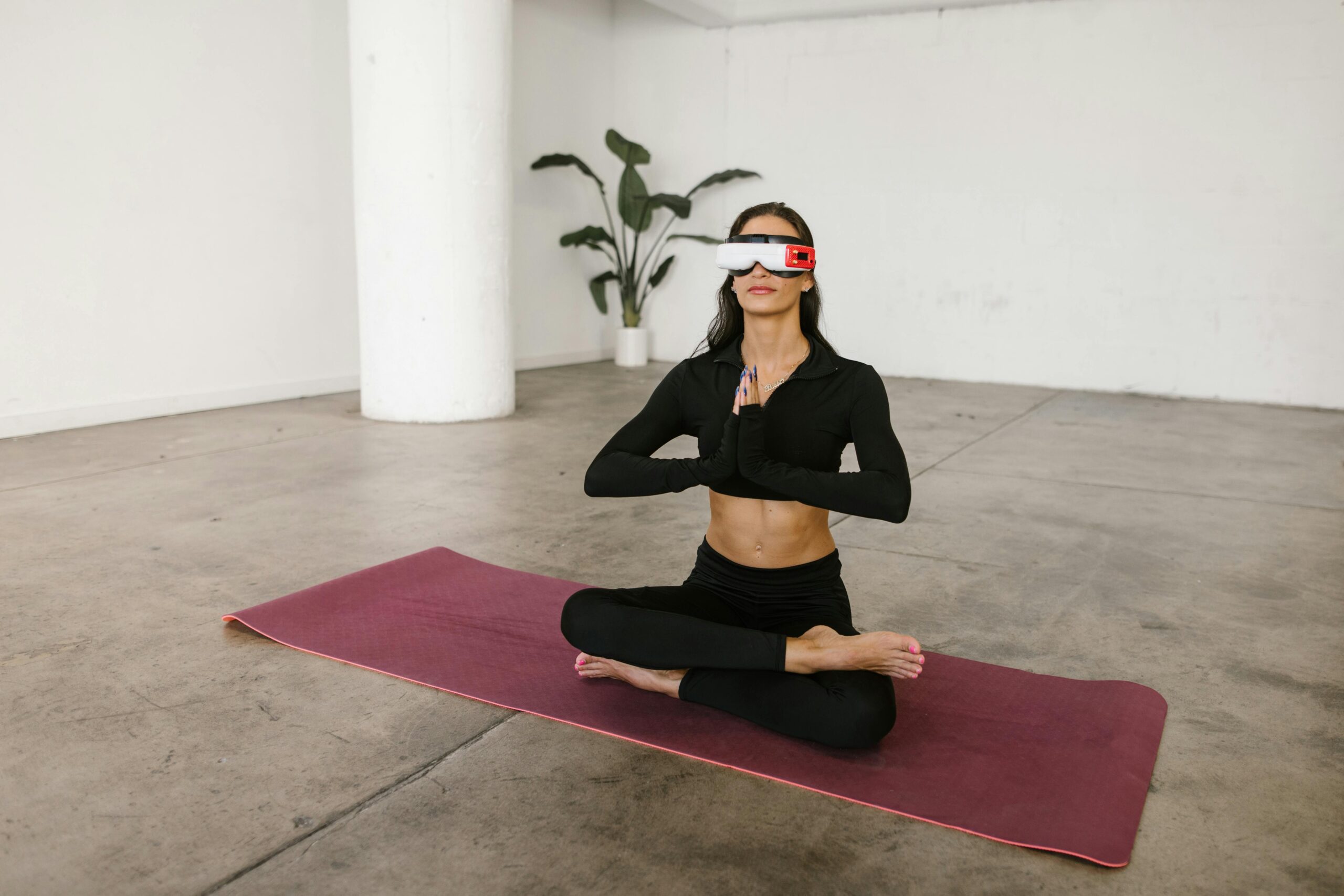
Invest in a comfortable VR headset appropriate for your budget. While premium headsets offer superior graphics and comfort, even affordable options provide sufficient quality for meaningful meditation experiences. Comfort should be prioritized, as you’ll be wearing the device for extended periods during practice sessions.
Approach your VR meditation journey with patience and curiosity. Like any new skill, developing proficiency takes time and consistent practice. Allow yourself to explore different environments and meditation styles, remaining open to what resonates with your unique consciousness. The path to serenity is deeply personal, and virtual reality simply provides new vehicles for this timeless journey toward peace, presence, and profound self-discovery.