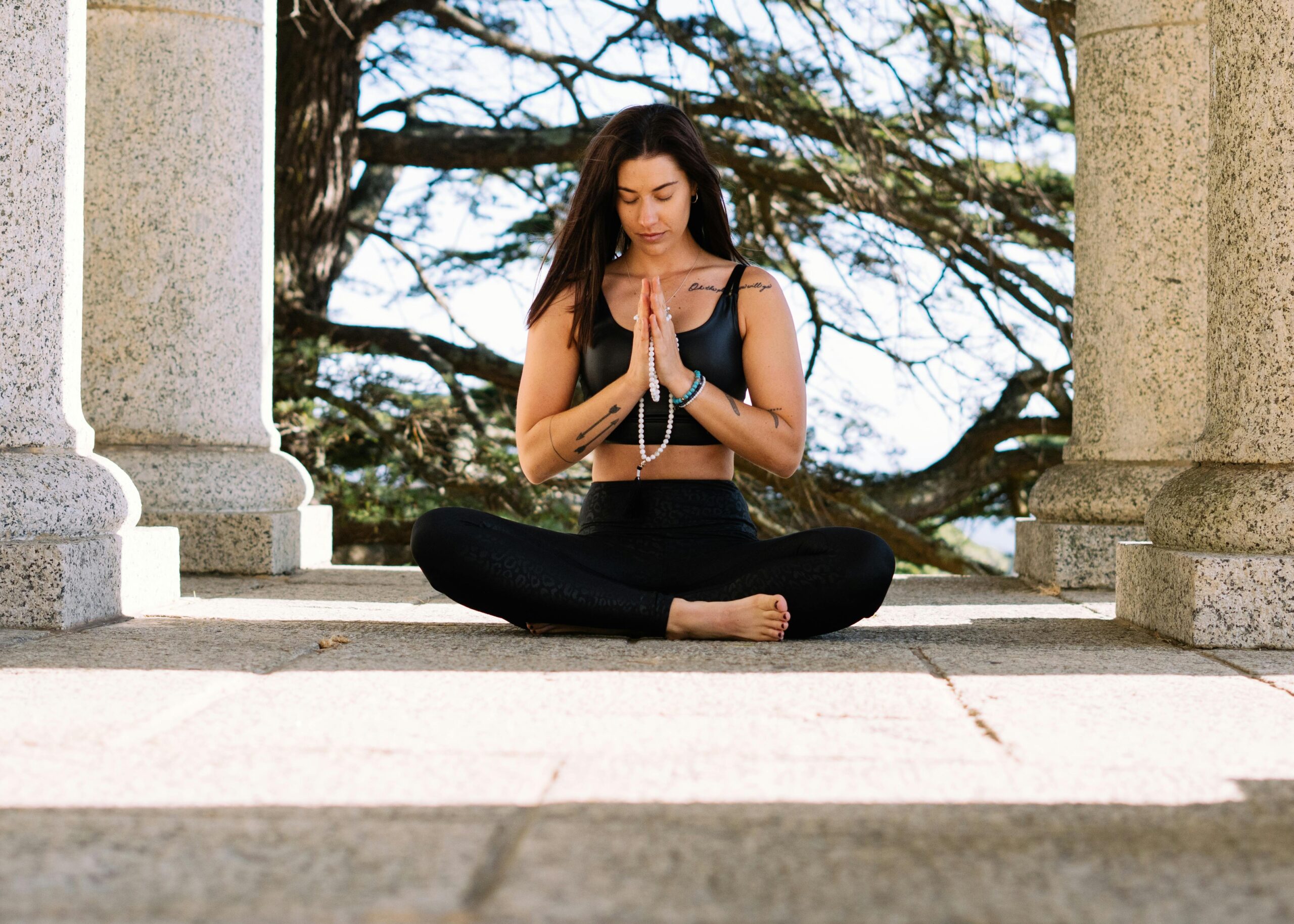
In our fast-paced modern world, finding genuine peace can feel impossible. Somatic calm induction offers a scientifically-backed pathway to deep relaxation that connects mind and body.

Stress has become our constant companion, manifesting in tight shoulders, racing thoughts, and restless nights. Yet within your own body lies an extraordinary capacity for self-regulation and profound tranquility. By mastering somatic calm induction techniques, you can tap into your nervous system’s natural ability to shift from stress response to restorative calm, transforming not just moments but your entire relationship with inner peace.
🧠 Understanding Somatic Calm Induction: The Body-Mind Connection
Somatic calm induction refers to body-based techniques that trigger your parasympathetic nervous system, the biological mechanism responsible for rest, digestion, and recovery. Unlike purely mental approaches, somatic methods recognize that your body holds memories, tensions, and patterns that influence your emotional state.
The term “somatic” comes from the Greek word “soma,” meaning body. This approach acknowledges that your physical sensations, postures, and movements directly impact your psychological well-being. When you experience stress, your body responds with measurable physiological changes: elevated cortisol, increased heart rate, shallow breathing, and muscular tension. Somatic calm induction reverses these patterns through intentional physical interventions.
Research in neuroscience has revealed that bottom-up processing—information flowing from body to brain—can be more effective for regulating emotions than top-down cognitive strategies alone. Your vagus nerve, the primary channel of communication between body and brain, plays a central role in this process. By activating this nerve through somatic practices, you can literally signal safety to your entire nervous system.
Why Traditional Relaxation Methods Often Fall Short
Many people struggle with conventional relaxation advice like “just breathe” or “think positive thoughts” because these approaches ignore the physiological reality of stress. When your nervous system is in fight-or-flight mode, your prefrontal cortex—the rational thinking part of your brain—has reduced functionality. Trying to think your way out of stress while your body remains in high alert rarely produces lasting results.
Furthermore, trauma and chronic stress can create what researchers call “somatic markers”—bodily sensations that trigger emotional responses before conscious awareness kicks in. These automatic reactions bypass rational thought entirely, which explains why you might feel anxious without knowing why, or struggle to calm down despite understanding logically that you’re safe.
Somatic calm induction addresses this gap by working directly with your body’s autonomic nervous system, creating physiological changes that naturally shift your mental and emotional state. This approach doesn’t require you to suppress feelings or force positive thinking; instead, it creates the biological conditions for calm to emerge organically.
✨ Core Techniques for Mastering Somatic Calm Induction
Progressive Muscle Relaxation: The Foundation Practice
Progressive muscle relaxation (PMR) involves systematically tensing and releasing different muscle groups throughout your body. This technique was developed by physician Edmund Jacobson in the 1920s and remains one of the most researched somatic interventions for stress reduction.
To practice PMR, start with your feet and work upward. Tense each muscle group for 5-7 seconds, then release for 20-30 seconds while noticing the sensation of relaxation. The contrast between tension and release helps you develop somatic awareness—the ability to recognize and respond to physical sensations. This awareness becomes a powerful tool for catching stress early and intervening before it escalates.
Regular PMR practice rewires your neuromuscular patterns, teaching your body what relaxation actually feels like. Many people carry chronic tension for so long that they’ve forgotten what a relaxed state feels like in their body. PMR provides concrete physical reference points for returning to calm.
Somatic Breathing Patterns That Transform Your State
Not all breathing exercises are created equal when it comes to somatic calm induction. The most effective techniques focus on extending your exhale, which directly stimulates your vagus nerve and activates your parasympathetic response.
The 4-7-8 breathing pattern is particularly powerful: inhale through your nose for 4 counts, hold for 7 counts, and exhale completely through your mouth for 8 counts. The extended exhale is key—this sends a direct signal to your brain that you’re safe enough to slow down. Practice this for four breath cycles, and you’ll notice measurable shifts in heart rate variability, a key indicator of nervous system regulation.
Box breathing offers another approach: equal counts of inhaling, holding, exhaling, and holding again (typically 4 counts each). This technique, used by Navy SEALs and emergency responders, creates rhythmic regulation that helps reset your autonomic nervous system during high-stress situations.
Body Scanning: Developing Somatic Intelligence
Body scanning cultivates the somatic awareness necessary for recognizing where you hold stress and how to release it. Unlike mindfulness meditation that observes thoughts, body scanning specifically tracks physical sensations, temperatures, tensions, and energetic qualities throughout your body.
Begin at the crown of your head and slowly move your attention downward, spending 20-30 seconds with each body region. Notice without judgment: Is this area tight or loose? Warm or cool? Heavy or light? Energized or depleted? This practice interrupts your brain’s default stress patterns by redirecting attention to present-moment physical experience.
Research shows that regular body scanning increases interoception—your ability to sense internal bodily states. Enhanced interoception correlates with better emotional regulation, reduced anxiety, and improved stress resilience. You’re essentially building a communication bridge between conscious awareness and automatic physiological processes.
🌊 Advanced Somatic Approaches for Deeper Calm
Bilateral Stimulation and Nervous System Reset
Bilateral stimulation involves alternating activation of the left and right sides of your body or sensory field. This technique, central to therapies like EMDR (Eye Movement Desensitization and Reprocessing), helps process stored stress and trauma while promoting integration between brain hemispheres.
Simple bilateral practices include alternating butterfly taps on your shoulders, walking while consciously noticing the alternating movement of your legs, or even listening to music with alternating audio patterns. These rhythmic, cross-lateral movements appear to facilitate the processing of difficult experiences and support nervous system regulation.
The therapeutic effect likely relates to how bilateral stimulation mimics REM sleep patterns, the state in which your brain naturally processes and integrates experiences. By consciously inducing similar patterns while awake, you can accelerate stress processing and resolution.
Grounding Techniques That Anchor You in Safety
Grounding practices create immediate somatic connection to the present moment, interrupting rumination about the past or anxiety about the future. The 5-4-3-2-1 technique engages all your senses: identify 5 things you can see, 4 you can touch, 3 you can hear, 2 you can smell, and 1 you can taste.
Physical grounding can be even more direct. Stand barefoot and notice the sensation of the ground beneath your feet. Press your feet firmly down and imagine roots extending into the earth. This isn’t merely metaphorical—proprioceptive input (awareness of body position and movement) directly influences your sense of stability and safety.
Cold water immersion offers another powerful grounding intervention. Splashing cold water on your face activates the mammalian dive reflex, rapidly shifting your nervous system toward parasympathetic activation. This technique can interrupt panic attacks and acute stress responses within seconds.
Somatic Shaking and Tension Release
Animals naturally shake after threatening experiences, discharging stored stress energy from their nervous systems. Humans have largely suppressed this instinctive response, leading to accumulated tension. Trauma Release Exercises (TRE) and similar approaches reintroduce this natural shaking mechanism.
To practice neurogenic tremoring, lie on your back with knees bent and feet together, allowing your knees to fall apart slightly. Hold this position until your legs begin to shake or tremor. Rather than controlling the movement, allow it to happen, trusting your body’s innate wisdom to release what needs releasing.
This technique can feel unusual at first, but many practitioners report profound release of chronic tension patterns and a sense of lightness afterward. The shaking appears to discharge incomplete fight-or-flight responses stored in your musculature and nervous system.
🏡 Creating Your Personal Somatic Calm Practice
Designing a Sustainable Routine
Mastering somatic calm induction requires consistency rather than intensity. A brief daily practice of 10-15 minutes outperforms occasional longer sessions. The key is neural pathway reinforcement—each practice session strengthens the connection between intentional action and calm response.
Start with one or two techniques that resonate most strongly with you. Perhaps morning body scanning followed by evening progressive muscle relaxation. Or perhaps 4-7-8 breathing during your commute and grounding exercises before bed. The specific techniques matter less than establishing a reliable rhythm that fits your lifestyle.
Track your practice and its effects. Notice patterns: which techniques work best for different situations? How does your baseline stress level shift over weeks of consistent practice? This self-knowledge allows you to customize your approach and builds motivation through visible progress.
Integrating Somatic Calm Into Daily Activities
The most powerful application of somatic calm induction happens when you integrate principles into everyday moments. Waiting in line becomes an opportunity for body scanning. Red lights become prompts for three conscious breaths. Washing your hands becomes a grounding practice as you notice water temperature and sensation.
These micro-practices accumulate, creating what researchers call “state-trait shift”—your temporary calm states gradually become your baseline trait. Rather than calm being something you occasionally achieve through dedicated practice, it becomes your default setting from which stress is a temporary deviation.
Create environmental cues that remind you to return to somatic awareness. A stone in your pocket, a specific bracelet, or phone notifications can serve as anchors bringing you back to body-based presence throughout your day.
💡 Common Challenges and How to Overcome Them
When You Can’t Feel Anything
Some people initially struggle with somatic practices because they’ve disconnected from bodily sensations, a common adaptation to chronic stress or trauma. If body scanning or other techniques produce numbness or blankness, this itself is valuable information about your current state.
Start with more obvious sensations: temperature differences, contact points with surfaces, or movement. Gradually work toward subtler internal sensations. Consider working with a somatic therapist who can help you safely reconnect with embodied experience, especially if past trauma underlies the disconnection.
Movement-based practices may be more accessible than stillness-based ones initially. Walking meditation, gentle stretching, or dance can help you rebuild somatic connection before attempting more subtle awareness practices.
Dealing With Increased Discomfort
Paradoxically, some people experience increased anxiety or discomfort when beginning somatic calm practices. This often indicates that your nervous system is finally safe enough to process previously suppressed material. Your body may have been holding stress in storage, and creating space for relaxation allows it to surface for resolution.
If this occurs, proceed gently and consider shorter practice sessions. Titration—working with small, manageable amounts—allows your system to process without becoming overwhelmed. Pairing somatic practices with support from a trained professional can help navigate this territory safely.
Remember that discomfort during practice differs from harm. Learning to distinguish between the two helps you develop appropriate boundaries while still allowing necessary processing to occur.
🔬 The Science Behind Lasting Transformation
Neuroplasticity research confirms that consistent somatic practices physically restructure your brain. Regular activation of calm states strengthens neural pathways associated with parasympathetic activation while weakening over-developed stress response circuits. This isn’t metaphorical—brain imaging studies show measurable changes in regions like the amygdala and prefrontal cortex.
Polyvagal theory, developed by Dr. Stephen Porges, provides the neurological framework for understanding somatic calm induction. This theory identifies three nervous system states: ventral vagal (social engagement and calm), sympathetic (fight-or-flight), and dorsal vagal (shutdown/freeze). Somatic practices help you access ventral vagal activation—the biological state associated with safety, connection, and restoration.
Heart rate variability (HRV) serves as a measurable indicator of these shifts. Higher HRV indicates greater nervous system flexibility and resilience. Somatic practices consistently improve HRV, providing objective evidence of enhanced stress regulation capacity. You’re not just feeling calmer—you’re becoming physiologically more adaptable.

🌟 Beyond Relaxation: Reclaiming Your Full Potential
Mastering somatic calm induction extends far beyond stress management. When your nervous system spends more time in regulated states, you access enhanced creativity, clearer decision-making, improved interpersonal connections, and greater emotional range. Calm becomes the foundation from which you engage life fully rather than a temporary escape from overwhelm.
This practice represents a fundamental shift in your relationship with your body—from something that betrays you with anxiety and tension to a wise ally offering constant feedback and innate healing capacity. Your body becomes a resource rather than a problem, a source of guidance rather than distress.
The peace you cultivate through somatic practices isn’t fragile or dependent on external conditions remaining perfect. It’s a robust, resilient inner state that can hold space for the full range of human experience—including challenge, discomfort, and uncertainty—without collapsing into overwhelm.
Your nervous system has carried you through everything you’ve experienced. Now, through somatic calm induction, you can consciously partner with this incredible biological intelligence, supporting it in return and unlocking levels of well-being you may have forgotten were possible. The techniques are simple, the science is solid, and the transformation is available to anyone willing to practice consistently.
Start today with just one technique. Notice what shifts. Trust your body’s wisdom. Your inner peace isn’t something you’ve lost—it’s been waiting patiently within you, ready to emerge the moment you create the somatic conditions for its return.