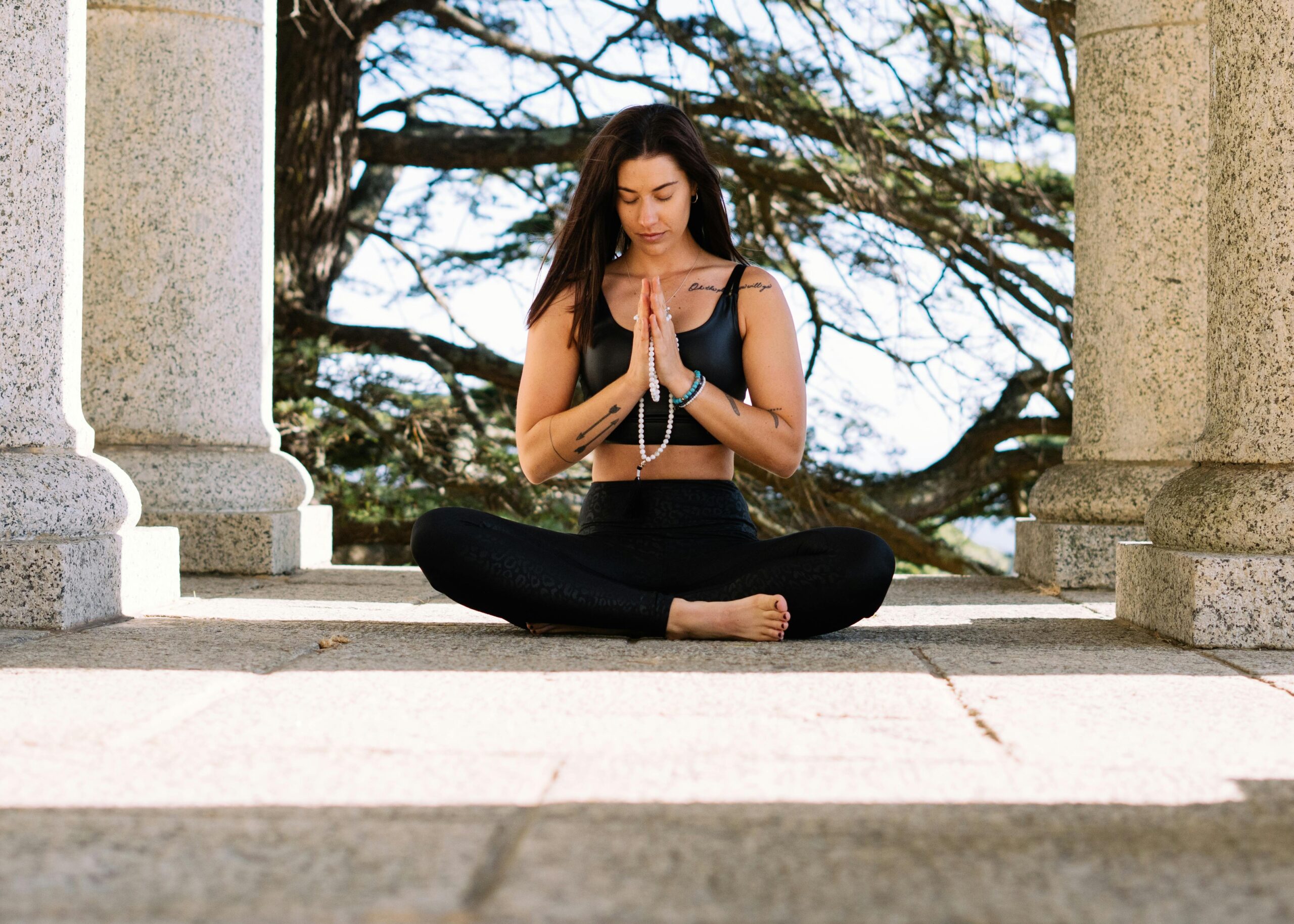
In a world that celebrates speed, productivity, and constant connectivity, the concept of slow living emerges as a revolutionary act of self-preservation and intentional existence.

Modern life bombards us with notifications, deadlines, and an endless stream of demands competing for our attention. We rush through breakfast, multitask through meetings, and scroll mindlessly through social media before bed. This relentless pace doesn’t just drain our energy—it disconnects us from the simple pleasures that make life meaningful. Slow living offers an antidote to this frenzy, inviting us to reclaim our time, attention, and sense of purpose through mindful choices and deliberate actions.
🌿 Understanding the Philosophy Behind Slow Living
Slow living isn’t about doing everything at a snail’s pace or rejecting modern conveniences. Rather, it’s a conscious approach to life that prioritizes quality over quantity, presence over productivity, and intentionality over automation. This philosophy encourages us to align our daily actions with our deepest values, creating space for what truly matters while releasing what doesn’t serve us.
The slow living movement traces its roots to the Slow Food movement that began in Italy during the 1980s as a response to fast food culture. Since then, it has expanded into a broader lifestyle philosophy encompassing how we work, consume, relate to others, and spend our leisure time. At its core, slow living asks a simple yet profound question: What would change if we stopped rushing and started living?
The Hidden Costs of Speed in Modern Society
Our culture’s obsession with speed comes at a significant price. Chronic stress has become normalized, with cortisol levels remaining elevated as we bounce from one task to another without adequate rest or recovery. This constant state of urgency affects our physical health, contributing to issues like insomnia, digestive problems, and weakened immune systems.
Beyond physical health, our mental and emotional well-being suffers under the pressure of perpetual busyness. Anxiety and depression rates have climbed steadily as we struggle to meet unrealistic expectations. We experience decision fatigue from making countless choices throughout the day, often reverting to autopilot mode rather than engaging thoughtfully with our lives.
Perhaps most concerning is how speed erodes our relationships. When we’re constantly distracted or preoccupied, we fail to offer genuine presence to the people who matter most. Conversations become superficial, quality time gets squeezed between obligations, and meaningful connections deteriorate despite being more “connected” than ever through technology.
✨ Cultivating Mindfulness as Your Foundation
Mindfulness forms the cornerstone of slow living, training us to inhabit each moment fully rather than dwelling in the past or anxiously anticipating the future. This practice doesn’t require hours of meditation—though that can certainly help—but rather involves bringing conscious awareness to ordinary activities throughout your day.
Start by selecting one routine activity to perform mindfully each day. Perhaps it’s drinking your morning coffee, feeling the warmth of the cup in your hands, noticing the aroma, and savoring each sip without simultaneously checking your phone. Or maybe it’s taking a shower with full attention to the sensation of water against your skin, the scent of your soap, and the simple pleasure of cleansing yourself.
Practical Mindfulness Techniques for Daily Life
Incorporating mindfulness doesn’t require dramatic lifestyle changes. These simple practices can transform ordinary moments into opportunities for presence and peace:
- Mindful breathing: Take three conscious breaths before transitioning between activities, using your breath as an anchor to the present moment
- Single-tasking: Resist the urge to multitask by giving complete attention to one activity at a time, whether writing an email or washing dishes
- Body scan check-ins: Pause several times daily to notice tension in your body, consciously relaxing tight shoulders or unclenching your jaw
- Gratitude moments: Identify three specific things you appreciate throughout your day, training your attention toward abundance rather than scarcity
- Digital boundaries: Create phone-free periods where you engage fully with your environment and companions without technological interruption
🌸 Creating Balance Through Intentional Choices
Balance in slow living doesn’t mean giving equal time to everything—that’s impossible and exhausting. Instead, it involves making deliberate choices about where you invest your finite energy and attention. This requires honest self-reflection about your values and the courage to say no to commitments that don’t align with them.
Begin by auditing how you currently spend your time. Track your activities for a week without judgment, simply observing where your hours go. You might discover that hours disappear into activities that leave you feeling depleted rather than energized. This awareness creates the foundation for change.
Designing Your Ideal Weekly Rhythm
Rather than cramming every available moment with productivity, slow living encourages creating a sustainable rhythm that includes rest, play, connection, and meaningful work. Consider these elements when designing your week:
- Protected rest time: Schedule genuine downtime where you’re not productive, social, or achieving—just being
- Connection rituals: Establish regular times for meaningful interaction with loved ones without distractions
- Creative expression: Make space for activities that engage your creativity without needing to produce anything marketable
- Movement and nature: Incorporate physical activity and outdoor time that nourishes rather than punishes your body
- Learning and growth: Dedicate time to exploring interests that fascinate you, independent of career advancement
The Joy of Doing Less, Better
Our culture equates busyness with importance and rest with laziness, creating a toxic environment where we feel guilty for not constantly producing. Slow living challenges this narrative, recognizing that quality consistently trumps quantity across virtually every domain of life.
When you commit to fewer activities, you can engage more deeply with each one. A single meaningful conversation becomes more valuable than a dozen superficial exchanges. One carefully prepared meal shared without distraction nourishes you more than rushed eating while working. A focused hour of creative work often yields better results than three hours of distracted effort.
Simplifying Your Commitments
Simplification requires discernment about what deserves your limited time and energy. Ask yourself these questions before accepting new commitments:
- Does this align with my core values and priorities?
- Will this add genuine value to my life or others’ lives?
- Do I have adequate capacity to engage with this fully?
- Am I saying yes from excitement or from obligation?
- What will I need to sacrifice to accommodate this?
🏡 Transforming Your Physical Environment
Your surroundings significantly influence your ability to live slowly and mindfully. Cluttered, chaotic spaces create mental noise that makes presence difficult, while thoughtfully curated environments support calm and intentionality.
Slow living embraces minimalism not as an aesthetic but as a functional tool for reducing decision fatigue and visual overwhelm. This doesn’t mean your home must look like a sterile showroom—rather, it should contain items that serve a purpose or bring genuine joy while releasing what no longer serves you.
Creating Spaces That Support Slowness
Consider how your environment either supports or undermines your slow living intentions. These adjustments can make a significant difference:
- Designated tech-free zones: Create spaces in your home where devices aren’t permitted, especially bedrooms and dining areas
- Comfort over aesthetics: Prioritize furniture and arrangements that invite you to linger and relax rather than just photograph well
- Natural elements: Incorporate plants, natural light, and organic materials that connect you to the natural world
- Sensory pleasures: Include elements that engage your senses—soft textiles, pleasant scents, soothing colors
- Activity stations: Create dedicated areas for specific activities like reading, creating, or meditation rather than doing everything from your couch
🍃 Nourishment Beyond Food
Slow living extends to how we nourish ourselves on multiple levels—physical, emotional, intellectual, and spiritual. This holistic approach recognizes that human beings require more than calories and productivity to thrive.
Physical nourishment involves choosing whole foods prepared with care rather than grabbing whatever’s convenient. It means eating with attention, noticing flavors and textures, and honoring your body’s hunger and fullness signals. This isn’t about restrictive dieting but about cultivating a respectful relationship with food and your body.
Feeding Your Whole Self
Beyond physical nutrition, consider how you’re nourishing other dimensions of yourself:
- Emotional nourishment: Spend time with people who energize rather than deplete you; set boundaries with energy vampires
- Intellectual nourishment: Engage with ideas that challenge and expand your thinking through books, conversations, or courses
- Spiritual nourishment: Connect with something larger than yourself through nature, creativity, community, or contemplative practice
- Creative nourishment: Express yourself through art, music, writing, cooking, or any medium that allows authentic self-expression
💚 Redefining Productivity and Success
Conventional definitions of productivity focus exclusively on output—how much you accomplish, produce, or achieve. Slow living proposes a radical alternative: measuring productivity by how well you align your actions with your values and how fully you engage with life.
This shift requires reexamining deeply held beliefs about worthiness and achievement. If you’ve internalized the message that your value depends on your productivity, slowing down might initially trigger anxiety or guilt. These feelings are normal and will diminish as you consistently practice valuing being over doing.
Success Metrics That Actually Matter
Instead of measuring success solely through external achievements, slow living invites you to consider alternative indicators of a life well-lived:
- Quality of relationships and depth of connections
- Presence and engagement during daily activities
- Alignment between values and actions
- Physical and mental well-being
- Capacity for joy, wonder, and appreciation
- Contribution to community and causes you care about
- Personal growth and self-understanding
🌅 Morning and Evening Rituals for Slow Living
How you begin and end your day significantly impacts your capacity for mindfulness, balance, and joy. Rather than jolting awake to an alarm and immediately checking your phone, slow living encourages creating transition rituals that ease you into and out of each day.
Morning rituals might include stretching before getting out of bed, drinking water mindfully, journaling, gentle movement, or simply sitting quietly with your thoughts. The specific activities matter less than the intention to start your day from a centered place rather than reactive chaos.
Evening rituals support quality sleep and reflection, helping you release the day’s tensions and prepare for rest. This might involve dimming lights an hour before bed, avoiding screens, reading, gentle stretching, or reviewing your day with curiosity rather than judgment.
🌍 Slow Living in a Fast World: Navigating the Tension
Embracing slow living doesn’t mean opting out of society or rejecting all modern conveniences. Instead, it involves consciously choosing which aspects of contemporary life serve you and which create unnecessary stress or disconnection.
You’ll inevitably face tension between your slow living values and external pressures to move faster, do more, and stay constantly connected. Colleagues might expect immediate email responses. Friends might not understand why you’re unavailable for every social invitation. Family members might question choices that diverge from conventional success paths.
Setting Boundaries Without Apology
Protecting your slow living practice requires clear boundaries and the willingness to disappoint others occasionally. This becomes easier when you remember that saying no to what doesn’t serve you means saying yes to what does. You can’t be present for everything and everyone—choosing consciously is far better than spreading yourself so thin that you’re fully present for no one.
Building Community Around Slow Values
While slow living often begins as an individual practice, it flourishes within community. Connecting with others who share your values provides support, inspiration, and accountability while combating the isolation that can accompany swimming against cultural currents.
Seek out local groups focused on activities aligned with slow living principles—community gardens, book clubs, meditation groups, craft circles, or volunteer organizations. Online communities can also provide connection, though balance virtual interaction with in-person relationships to avoid the irony of pursuing slow living primarily through screens.
🌟 Embracing Imperfection on Your Slow Living Journey
Slow living isn’t about achieving perfection or adhering rigidly to rules. Some days you’ll rush, multitask, and feel disconnected despite your best intentions. This doesn’t represent failure—it’s simply being human in a complex world.
Approach your slow living practice with curiosity and self-compassion rather than judgment. Notice when you’ve slipped into old patterns without criticism, gently redirecting yourself toward presence and intentionality. Each moment offers a fresh opportunity to begin again, to choose mindfulness over autopilot, connection over distraction.
The art of slow living ultimately invites us to remember what truly matters—presence, connection, beauty, meaning, and joy. In reclaiming these elements from the relentless pace of modern life, we don’t just survive; we genuinely thrive. We discover that the richest moments often cost nothing, that enough is actually enough, and that the simple act of being fully alive in each moment is perhaps the greatest gift we can give ourselves and those we love.
As you continue this journey, remember that slow living is less about perfection and more about direction. Each small choice to pause, to savor, to connect, and to live with intention creates ripples that transform not only your own life but also the lives of everyone you touch. In a world that constantly demands more, faster, and bigger, choosing to slow down becomes a revolutionary act of love—for yourself, for others, and for the precious, fleeting moments that comprise a human life.