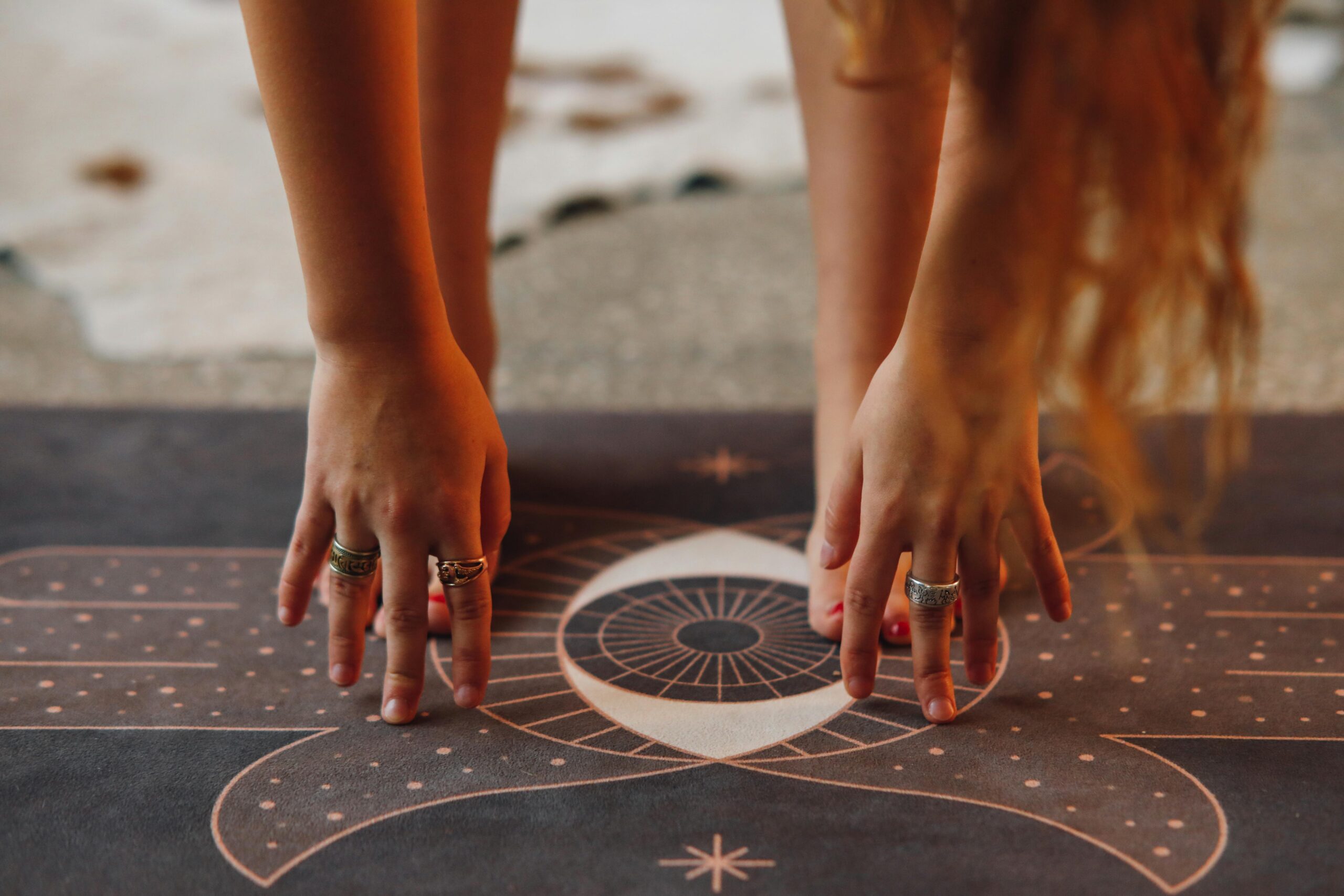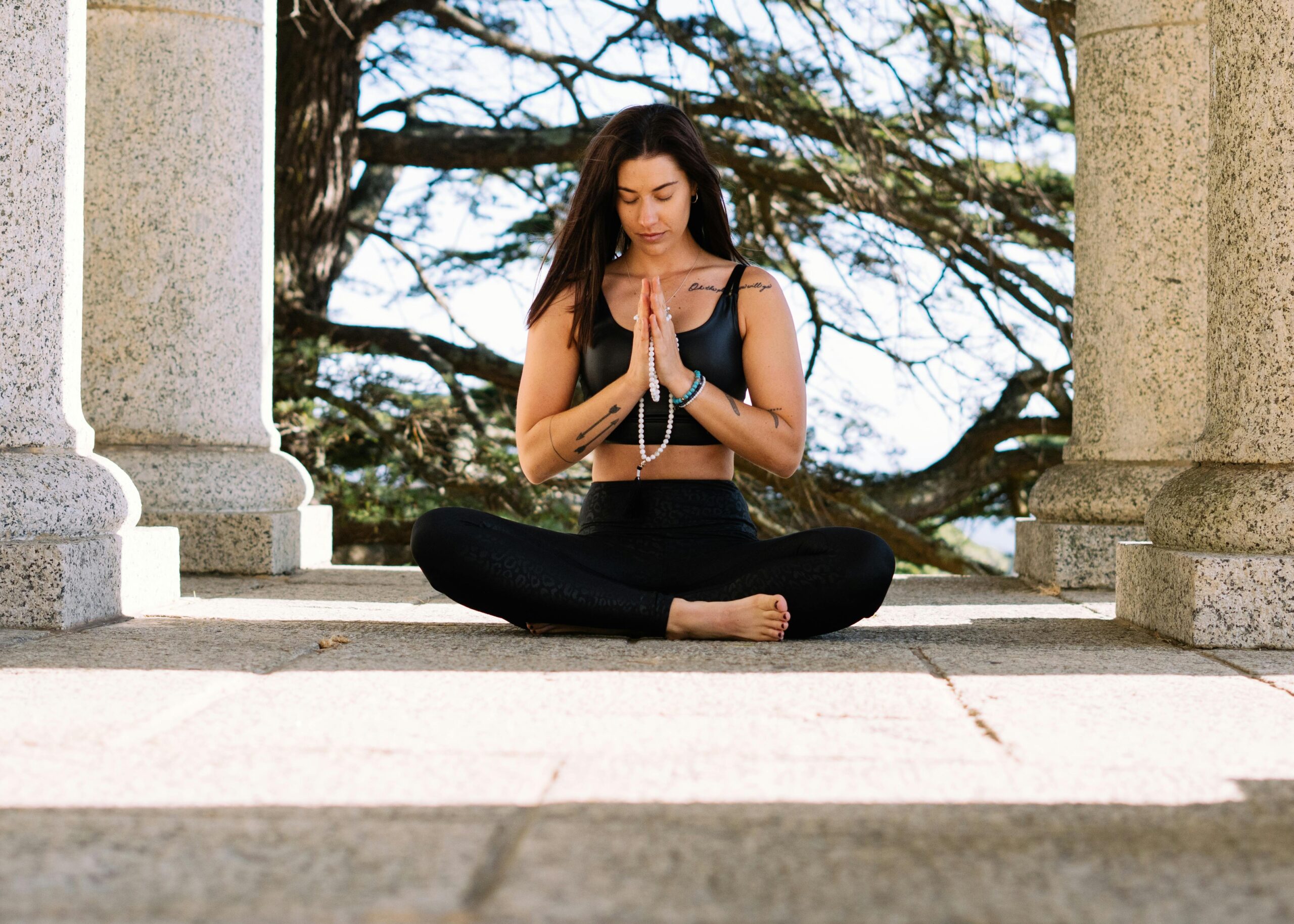
Your body holds incredible wisdom that traditional fitness routines often overlook. Intuitive movement training reconnects you with your innate physical intelligence, creating a sustainable path toward genuine transformation.

For decades, the fitness industry has promoted rigid workout schedules, calorie counting obsessions, and one-size-fits-all programs that leave many feeling disconnected from their bodies. This disconnect has created a cycle of motivation and burnout, where people start strong but eventually abandon their fitness goals. Intuitive movement training offers a refreshing alternative—a method that honors your body’s signals, respects your individual needs, and cultivates a sustainable relationship with physical activity that lasts a lifetime.
🌟 Understanding the Foundation of Intuitive Movement
Intuitive movement is a practice rooted in body awareness and mindfulness. Unlike conventional exercise programs that prescribe specific workouts regardless of how you feel, this approach encourages you to tune into your body’s feedback and make movement choices based on what feels right in the moment. It’s about developing a conversation with your body rather than imposing external demands upon it.
This philosophy doesn’t mean abandoning structure or goals entirely. Instead, it means creating flexible frameworks that adapt to your energy levels, emotional state, and physical capacity on any given day. Some days your body might crave intense cardio; other days, gentle stretching might be exactly what you need. The key is learning to distinguish between productive discomfort that builds strength and harmful pain that signals injury.
The Science Behind Body Intelligence
Research in kinesiology and sports psychology increasingly supports the intuitive movement approach. Studies show that individuals who develop strong interoceptive awareness—the ability to perceive internal bodily sensations—demonstrate better exercise adherence, reduced injury rates, and improved overall satisfaction with their fitness routines.
Your nervous system constantly communicates through sensations, emotions, and energy fluctuations. When you override these signals consistently, you risk overtraining, burnout, and injury. Conversely, when you honor these messages, you create optimal conditions for growth, recovery, and sustainable progress. This biological feedback system has evolved over millennia to keep you safe and functioning optimally.
Breaking Free from Fitness Industry Constraints
The modern fitness landscape often promotes extreme approaches: high-intensity interval training every day, restrictive diets, before-and-after transformation photos, and the constant pursuit of aesthetic ideals. While these methods work for some people temporarily, they frequently lead to disordered relationships with exercise and body image issues.
Intuitive movement training challenges these conventions by prioritizing how exercise makes you feel over how it makes you look. This shift in perspective fundamentally changes your motivation from external validation to internal satisfaction. When movement becomes something you genuinely enjoy rather than a punishment for eating or a requirement for achieving a certain appearance, sustainability dramatically increases.
Recognizing Diet Culture’s Impact on Movement
Diet culture has infiltrated fitness spaces, turning exercise into a compensatory behavior rather than a celebration of what your body can do. This toxic relationship manifests in thoughts like “I need to burn off that dessert” or “I have to earn my rest day.” Intuitive movement reframes exercise as self-care rather than self-punishment.
By separating movement from weight management and aesthetic goals, you open space for discovering activities you genuinely enjoy. This might mean dancing in your living room, hiking in nature, swimming, practicing yoga, strength training, or any combination that brings you joy and vitality.
🏋️ Building Your Intuitive Movement Practice
Transitioning to intuitive movement requires patience and practice, especially if you’ve spent years following rigid programs. The process involves developing new skills in body awareness, challenging ingrained beliefs about exercise, and experimenting with different movement forms to discover what resonates with you.
Starting with Body Awareness Exercises
Before each movement session, spend five minutes checking in with your body. Notice your energy levels, any areas of tension or soreness, and your emotional state. This simple practice creates a baseline awareness that informs your movement choices. Ask yourself: What does my body need today? What sounds enjoyable right now?
Body scan meditations can enhance this awareness. Lie comfortably and systematically bring attention to different body parts, noticing sensations without judgment. This practice strengthens your ability to perceive subtle signals that might otherwise go unnoticed until they become injuries or chronic issues.
Creating Flexible Movement Frameworks
Rather than rigid schedules, develop flexible intentions. You might commit to moving your body most days while leaving the specific form open. Your framework might include categories like strength work, cardiovascular activity, flexibility training, and active recovery, allowing daily decisions about which feels most appropriate.
This flexibility prevents the all-or-nothing thinking that derails many fitness journeys. If your planned workout doesn’t feel right, you can adjust rather than skip entirely. A scheduled run might become a walk when you’re tired, or strength training might shift to restorative yoga when you’re stressed.
The Role of Mindful Movement Practices
Mindful movement disciplines like yoga, tai chi, and qigong naturally incorporate intuitive principles. These practices emphasize internal awareness, breath connection, and movement quality over quantity. Even if these aren’t your primary activities, incorporating elements of mindfulness into any exercise enhances the intuitive approach.
During strength training, focus on muscle engagement and form rather than simply completing repetitions. While running, notice your breathing rhythm, foot strike, and how different paces feel. This attentiveness transforms exercise from a mechanical task into an engaging experience that provides valuable feedback.
Breath as Your Movement Anchor ⚓
Breath serves as a reliable indicator of exercise intensity and stress levels. When breathing becomes strained or you can’t maintain a conversation, you’ve crossed into high-intensity zones. This isn’t necessarily problematic, but it should be intentional rather than accidental. Breath awareness helps you self-regulate intensity based on current capacity rather than predetermined targets.
Practices like breath-matched movement—synchronizing motions with inhalations and exhalations—deepen mind-body connection. This technique naturally appears in yoga and swimming but can be applied to walking, cycling, or any rhythmic activity. The coordination requires presence, preventing the mental disconnect that often accompanies exercise.
💪 Honoring Rest and Recovery
Intuitive movement training recognizes rest as an essential component of fitness, not a sign of weakness or laziness. Your body builds strength, speed, and endurance during recovery periods, not during the workouts themselves. The exercise provides the stimulus; rest provides the adaptation.
Learning to embrace rest challenges deeply ingrained productivity culture messages that equate busyness with worthiness. Rest days aren’t earned through hard work—they’re a biological necessity for anyone pursuing fitness goals. Active recovery, complete rest, or gentle movement all have appropriate times based on your body’s signals.
Distinguishing Between Types of Fatigue
Not all tiredness requires the same response. Mental fatigue from work stress might actually benefit from physical movement that shifts your focus. Physical fatigue from intense training requires genuine rest. Emotional exhaustion might need either, depending on individual patterns. Developing discernment about fatigue types helps you respond appropriately.
Sleep quality, stress levels, menstrual cycle phases for those who menstruate, nutrition status, and hydration all influence recovery needs. Intuitive practice involves considering these factors rather than following a predetermined schedule regardless of circumstances. This holistic perspective prevents the accumulation of stress that leads to injury or illness.
Navigating Challenges and Setbacks
The intuitive movement journey isn’t always smooth. You’ll encounter days when distinguishing between resistance and genuine need for rest feels difficult. You might worry that honoring your body means you’re being lazy or making excuses. These concerns are normal, especially when transitioning from rigid structures.
One helpful guideline: if you’re uncertain whether to move or rest, start with gentle activity. A five-minute walk or simple stretching often clarifies what you need. Sometimes movement dissolves resistance; other times, it confirms that rest is necessary. Either outcome provides valuable information.
Working with Chronic Conditions and Injuries
Intuitive movement becomes especially valuable when managing chronic pain, illness, or injury. These conditions require heightened body awareness and adaptability that rigid programs can’t provide. Working with healthcare providers and movement specialists who understand this approach ensures you receive appropriate guidance while maintaining body autonomy.
Pain science research shows that complete rest often isn’t optimal for recovery. Instead, finding the movement threshold that doesn’t exacerbate symptoms while maintaining some activity level typically produces better outcomes. This delicate balance requires the precise body awareness that intuitive practices develop.
🌈 Expanding Your Movement Vocabulary
One significant benefit of intuitive training is the permission to explore diverse movement forms. When you’re not locked into a specific program, you can experiment with activities you’ve been curious about. This exploration often reveals surprising passions and abilities you didn’t know you possessed.
Consider trying movement forms from different categories: dance styles like salsa or hip-hop, martial arts, rock climbing, swimming, cycling, roller skating, or group fitness classes. Each activity develops different physical qualities and provides unique mental and emotional benefits. Variety also prevents repetitive strain injuries that develop from doing the same movements constantly.
Seasonal and Environmental Adaptations
Intuitive movement naturally adapts to environmental factors. Summer might inspire outdoor swimming and hiking, while winter could draw you toward indoor yoga and strength training. Rather than fighting seasonal shifts, embrace them as opportunities to diversify your practice and honor natural rhythms.
Time of day also influences optimal movement choices. Some people feel energized by morning workouts; others perform better in the evening. Intuitive practice respects these individual patterns rather than imposing arbitrary rules about when exercise should occur.
Measuring Progress Without Traditional Metrics
Intuitive movement requires rethinking how you measure success. Instead of focusing solely on weight, measurements, or performance benchmarks, consider broader indicators of well-being. How’s your energy level throughout the day? Do you feel stronger in daily activities? Has your mood improved? Are you sleeping better?
These qualitative measures reflect genuine health improvements that numbers can’t capture. While there’s nothing inherently wrong with tracking metrics if they serve you positively, they shouldn’t be the only indicators of progress. A successful fitness journey might look like consistently enjoying movement, recovering from stress more effectively, or feeling confident in your body’s capabilities.
Journal Prompts for Tracking Your Journey 📝
Regular reflection deepens intuitive awareness. Consider exploring these questions in a movement journal:
- What did my body feel like before, during, and after today’s movement?
- What emotions arose during my practice?
- What aspects of today’s movement brought me joy or satisfaction?
- What signals is my body sending about tomorrow’s needs?
- How has my relationship with movement changed recently?
Patterns emerge over time that provide insights into what truly serves your well-being. You might notice certain activities consistently improve your mood or that specific conditions predict when rest is most beneficial.
Building Community and Support
While intuitive movement is personal, community support enhances the practice. Finding others who embrace this philosophy creates accountability without judgment and inspiration without comparison. Online communities, local classes focused on mindful movement, or even one supportive friend can make significant differences.
When seeking fitness professionals, look for trainers, instructors, or coaches who value client autonomy, ask about your internal experience, and adapt programming based on feedback. Red flags include rigid adherence to plans despite your input, dismissal of your bodily sensations, or emphasis on appearance over function and feeling.
🎯 Integrating Intuitive Movement into Daily Life
Beyond dedicated workout sessions, intuitive movement encompasses how you navigate daily activities. Taking stairs when you feel energized, stretching during work breaks, walking instead of driving for nearby errands, or playing actively with children all count as meaningful movement.
This broader perspective reduces pressure around formal exercise while increasing overall activity levels. You’re not sedentary just because you didn’t complete a workout—you’re honoring your body’s needs through appropriate activity levels throughout the day.
Creating Movement-Friendly Environments
Your surroundings influence movement habits. Keeping resistance bands or yoga mats visible reminds you of movement opportunities. Comfortable workout clothes make spontaneous activity easier. Playlists that energize you or calming music for gentle practices reduce barriers to beginning.
Consider how your space can support diverse movement. Clear floor space for stretching or dancing, accessible equipment for strength work, or simply knowing safe walking routes in your neighborhood all facilitate intuitive practice when the mood strikes.
The Long-Term Transformation
The true power of intuitive movement training reveals itself over months and years rather than weeks. This approach cultivates a sustainable relationship with physical activity that weathers life’s inevitable changes. Career transitions, family responsibilities, health challenges, and aging all affect your movement capacity, but the underlying principles remain applicable.
People who develop strong intuitive practices often report that exercise becomes genuinely enjoyable rather than obligatory. Movement transforms from something you should do into something you genuinely want to do. This shift represents the ultimate fitness sustainability—intrinsic motivation that doesn’t require constant willpower or external accountability.
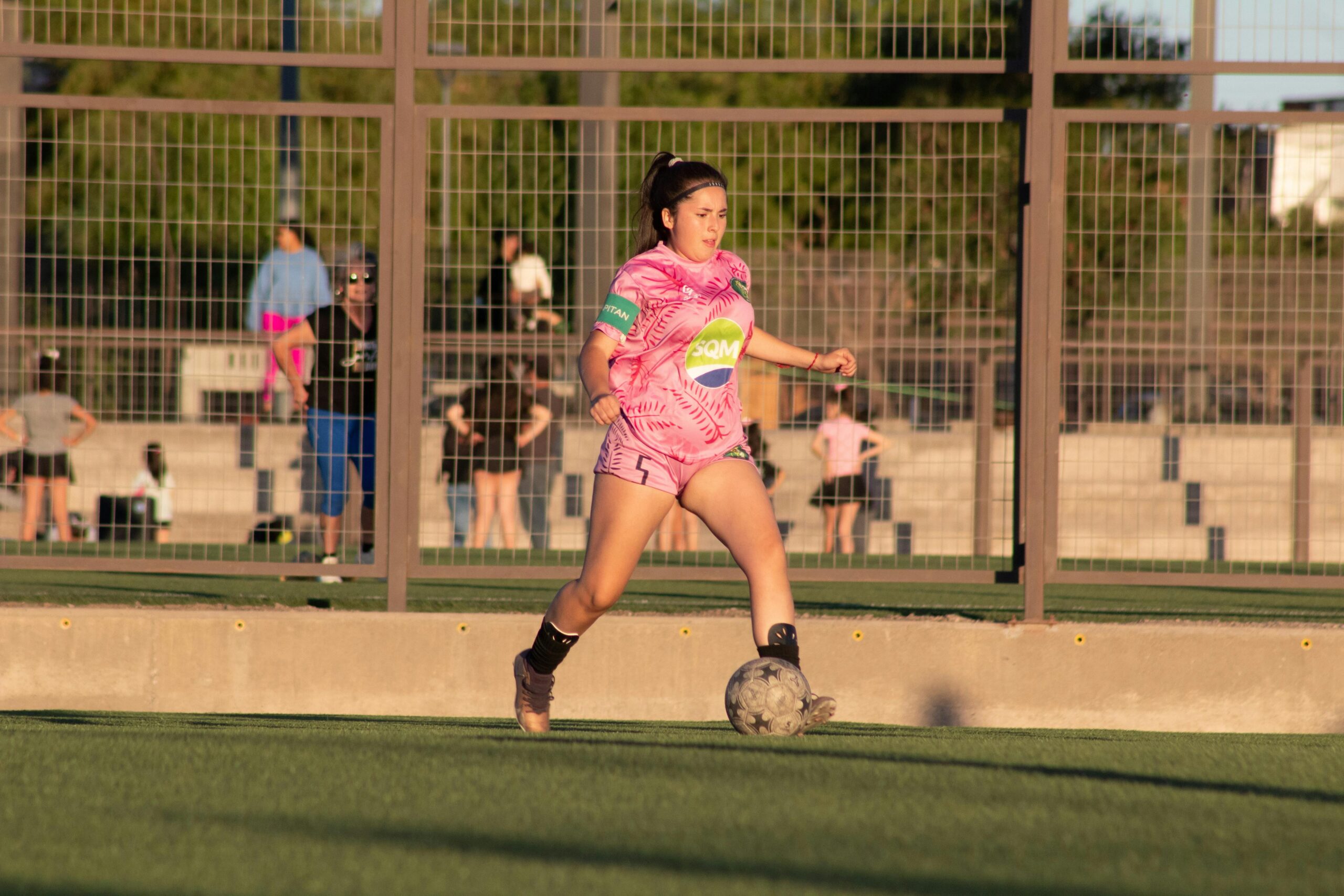
Your Body’s Wisdom Awaits 🌟
Unlocking your body’s potential through intuitive movement training isn’t about perfecting techniques or achieving specific aesthetic outcomes. It’s about reclaiming your inherent right to move joyfully, honor your body’s wisdom, and cultivate genuine well-being on your own terms. This journey requires patience, self-compassion, and courage to challenge conventional fitness narratives.
Start where you are, with whatever capacity you currently possess. Each moment of listening to your body strengthens that connection. Each choice to honor your needs builds trust in your inner guidance. Your fitness journey becomes uniquely yours—not a carbon copy of someone else’s path but an authentic expression of your individual needs, preferences, and potential.
The transformation you seek isn’t found in pushing harder, following stricter rules, or overriding your body’s signals. It emerges when you create space for your body to reveal what it needs, when you respond with care and respect, and when you recognize that the goal isn’t perfection but presence. Your body’s potential is already within you, waiting for you to listen, trust, and move in ways that honor your remarkable capacity for strength, resilience, and vitality.