
The ancient connection between breath and body holds transformative power for modern life. When we learn to harmonize our breathing patterns with physical awareness, we unlock profound changes in energy, mental clarity, and overall wellbeing that can revolutionize our daily experience.

For thousands of years, cultures across the globe have recognized breathing as more than a simple biological function. Today, scientific research validates what yogis, martial artists, and meditation practitioners have always known: mastering breath-body harmony creates a foundation for vitality, emotional balance, and peak performance in every aspect of life.
🌬️ Understanding the Breath-Body Connection
Your breath serves as a bridge between your conscious and unconscious mind, directly influencing your nervous system, cardiovascular function, and cellular energy production. Every inhale delivers oxygen to trillions of cells, while every exhale removes metabolic waste products that would otherwise accumulate and create fatigue.
The quality of your breathing patterns directly affects your posture, muscle tension, emotional state, and mental performance. Shallow chest breathing activates stress responses, while deep diaphragmatic breathing signals safety and relaxation to your entire system. This bidirectional relationship means that changing your breath changes your body, and vice versa.
Research in psychophysiology demonstrates that breathing rate and pattern influence heart rate variability, a key marker of nervous system resilience and overall health. When breath and body work in harmony, your autonomic nervous system finds balance between activation and recovery, creating optimal conditions for healing, growth, and sustained energy.
The Science Behind Breath Regulation
Understanding the physiological mechanisms of breathing empowers you to use breath as a practical tool for transformation. The diaphragm, your primary breathing muscle, acts like a pump that not only moves air but also stimulates lymphatic circulation and massages internal organs with each breath cycle.
Oxygen uptake in the lungs depends on proper breathing mechanics. Many people use only thirty to fifty percent of their lung capacity during normal breathing, missing opportunities for enhanced oxygenation and energy production. Full diaphragmatic breathing engages the lower lobes of the lungs where gas exchange is most efficient.
The respiratory centers in your brainstem constantly monitor carbon dioxide levels, adjusting breathing rate accordingly. However, chronic stress and poor breathing habits can dysregulate these centers, leading to over-breathing patterns that paradoxically reduce oxygen delivery to cells through a phenomenon called the Bohr effect.
The Vagus Nerve: Your Internal Reset Button
Controlled breathing directly stimulates the vagus nerve, the longest cranial nerve that connects your brain to major organs throughout your body. This nerve serves as the primary channel of the parasympathetic nervous system, your built-in relaxation and restoration mechanism.
When you extend your exhale beyond your inhale, you activate vagal tone, triggering a cascade of beneficial effects: heart rate slows, blood pressure decreases, digestion improves, and inflammation markers reduce. This simple practice essentially gives you voluntary control over involuntary processes, creating breath-body harmony at the deepest level.
✨ Practical Techniques for Breath-Body Mastery
Theoretical knowledge becomes transformative only through consistent practice. The following techniques represent time-tested methods for developing breath-body awareness and harmony that you can integrate into your daily routine regardless of your schedule or fitness level.
Diaphragmatic Breathing Foundation
Begin by establishing proper diaphragmatic breathing, the cornerstone of all advanced breathwork practices. Lie on your back with one hand on your chest and another on your belly. As you inhale, focus on expanding your belly while keeping your chest relatively still. Your lower hand should rise significantly while your upper hand barely moves.
Practice this pattern for five to ten minutes daily until it becomes natural. The diaphragm should descend on inhale, creating negative pressure that draws air into the lungs effortlessly. On exhale, the diaphragm relaxes upward, gently pushing air out without force or strain.
Box Breathing for Nervous System Balance
This technique, used by Navy SEALs and elite athletes, creates perfect symmetry in your breathing pattern. Inhale for a count of four, hold for four, exhale for four, and hold empty for four. Repeat this cycle for five to fifteen minutes whenever you need to center yourself, manage stress, or prepare for performance.
Box breathing balances oxygen and carbon dioxide levels while training breath retention capacity. The equal duration of all four phases creates rhythmic coherence that synchronizes cardiovascular, respiratory, and nervous system functions into harmonious alignment.
4-7-8 Breathing for Relaxation and Sleep
This pattern emphasizes extended exhalation to maximize parasympathetic activation. Place your tongue against the ridge behind your upper teeth and keep it there throughout the practice. Exhale completely through your mouth with a whoosh sound, then inhale quietly through your nose for four counts, hold for seven, and exhale through your mouth for eight.
Perform four breath cycles initially, gradually building to eight cycles as your capacity develops. This technique serves as a natural tranquilizer for the nervous system, particularly effective before sleep or during moments of acute stress or anxiety.
🧘 Integrating Movement with Breath Awareness
Static breathing exercises provide foundation, but true breath-body harmony emerges when breath guides movement and movement enhances breath. This integration transforms exercise from mechanical repetition into meditative practice that simultaneously strengthens body and calms mind.
Breath-Synchronized Walking
Transform your daily walk into a moving meditation by coordinating breath with steps. Inhale for four steps, exhale for six steps, maintaining this rhythm throughout your walk. This practice naturally slows your pace, encouraging present-moment awareness while providing gentle cardiovascular conditioning.
As your capacity improves, experiment with different ratios: inhale for three steps, hold for two, exhale for six. The rhythmic nature of breath-synchronized walking creates a meditative state while improving oxygen efficiency and building breath-holding tolerance.
Yoga Vinyasa Flow
Vinyasa yoga explicitly links each movement to either inhale or exhale, creating a continuous flow that builds heat, strength, and flexibility while maintaining breath-body awareness. Expanding movements like backbends pair with inhalation, while contracting movements like forward folds pair with exhalation.
This breath-movement synchronization prevents breath-holding during exertion, ensuring consistent oxygen delivery to working muscles. The practice develops proprioceptive awareness, helping you notice subtle tensions and imbalances that breathing alone might not reveal.
Tai Chi and Qigong Principles
These ancient Chinese practices view breath as qi or life energy that flows through the body along specific pathways. Slow, flowing movements coordinate with deep breathing to cultivate and circulate this energy, creating sensations of warmth, tingling, or heightened vitality.
While the metaphysical aspects remain debatable, the physiological benefits are measurable: improved balance, enhanced lymphatic circulation, reduced muscle tension, and increased body awareness. The meditative nature of these practices also cultivates mental calm and emotional resilience.
🌟 Energy Cultivation Through Breath Mastery
Beyond relaxation, advanced breathwork techniques can generate remarkable energy states. These practices should be approached gradually with respect for their powerful effects on consciousness and physiology.
Kapalabhati: Skull Shining Breath
This vigorous pranayama technique involves passive inhalation and forceful, rapid exhalation through the nose, powered by sharp abdominal contractions. Start with one round of twenty breaths, gradually building to three rounds of fifty to one hundred breaths as capacity develops.
Kapalabhati generates internal heat, oxygenates blood, and creates mental clarity. The rapid diaphragmatic pumping massages internal organs while the hyperventilation aspect temporarily alters blood chemistry, creating energized, alert states. Always practice on an empty stomach and stop if dizziness occurs.
Breath of Fire Technique
Similar to Kapalabhati but involving equal emphasis on inhale and exhale, Breath of Fire maintains rapid, continuous breathing through the nose while keeping mouth closed. The breath originates from the navel, creating rapid bellows-like movement in the abdomen.
This practice strengthens the nervous system, purifies blood, and builds lung capacity. Start with thirty seconds and gradually extend to three minutes. The intense nature of this practice makes it unsuitable for pregnant women or people with high blood pressure or heart conditions.
💫 Overcoming Common Breathing Pattern Disorders
Many people unknowingly suffer from dysfunctional breathing patterns that drain energy and contribute to various health complaints. Recognizing and correcting these patterns restores breath-body harmony and resolves seemingly unrelated symptoms.
Chronic Hyperventilation Syndrome
Habitual over-breathing reduces carbon dioxide levels below optimal range, paradoxically decreasing oxygen delivery to cells and creating symptoms like fatigue, anxiety, brain fog, and muscle tension. The solution involves breath retraining to normalize breathing volume and rate.
Practice reduced breathing by consciously making your breath quieter, slower, and softer throughout the day. Aim for breathing so subtle that it becomes barely noticeable. This approach gradually resets your respiratory centers to more efficient patterns.
Chest Breathing Pattern
Many adults primarily breathe using chest muscles rather than the diaphragm, a pattern associated with stress, anxiety, and reduced respiratory efficiency. This shallow breathing pattern activates upper chest muscles, creating neck and shoulder tension while limiting oxygen intake.
Retraining requires conscious awareness throughout daily activities. Set periodic reminders to check your breathing pattern, gently redirecting attention to belly breathing whenever you notice chest breathing dominance. Consistency over weeks and months gradually reprograms unconscious breathing patterns.
🎯 Creating Your Personal Breath-Body Practice
Knowledge transforms into wisdom through consistent application. Developing a sustainable personal practice ensures that breath-body harmony becomes not just a concept but a lived reality that infuses every aspect of your life.
Morning Energy Activation Routine
Begin your day with a ten-minute sequence that awakens your body and energizes your mind. Start with two minutes of diaphragmatic breathing while lying in bed, then transition to three rounds of Kapalabhati breathing, followed by five minutes of gentle stretching synchronized with breath.
This morning ritual primes your nervous system for the day ahead, establishing breath awareness that carries forward into subsequent activities. The energizing effects rival or exceed those of caffeine without the subsequent crash or dependency.
Midday Reset Practice
Combat afternoon energy dips with a five-minute breath practice. Box breathing or alternate nostril breathing quickly restores mental clarity and physical energy. These techniques can be performed discreetly at your desk, making them ideal for workplace wellness.
Regular midday breath breaks prevent the accumulation of physical tension and mental fatigue that otherwise builds throughout the workday. Consider setting a recurring calendar reminder until the habit becomes automatic.
Evening Wind-Down Protocol
Prepare your body and mind for restorative sleep with calming breathwork. Practice 4-7-8 breathing or extended exhalation breathing for ten minutes before bed, perhaps combined with gentle stretching or progressive muscle relaxation.
This evening practice signals your nervous system that the active phase of the day has concluded, facilitating the transition into rest-and-digest mode. Consistent evening breathwork improves both sleep quality and duration.
🌈 Deepening Your Practice Over Time
Breath-body mastery represents a lifelong journey rather than a destination. As your practice matures, subtle refinements and deeper insights continually emerge, revealing new dimensions of this fundamental life skill.
Consider maintaining a breath journal where you note observations about patterns, effects, and questions that arise. This documentation helps you recognize progress that might otherwise go unnoticed and provides valuable information for refining your approach.
Experiment with different techniques and timings to discover what resonates most with your unique constitution and circumstances. Your optimal practice may differ significantly from standardized recommendations based on your individual physiology, temperament, and goals.
Seek guidance from experienced teachers when exploring advanced practices. While basic techniques are generally safe for self-practice, intensive breathwork can produce powerful effects that benefit from expert oversight, especially when addressing specific health concerns or pursuing peak performance applications.
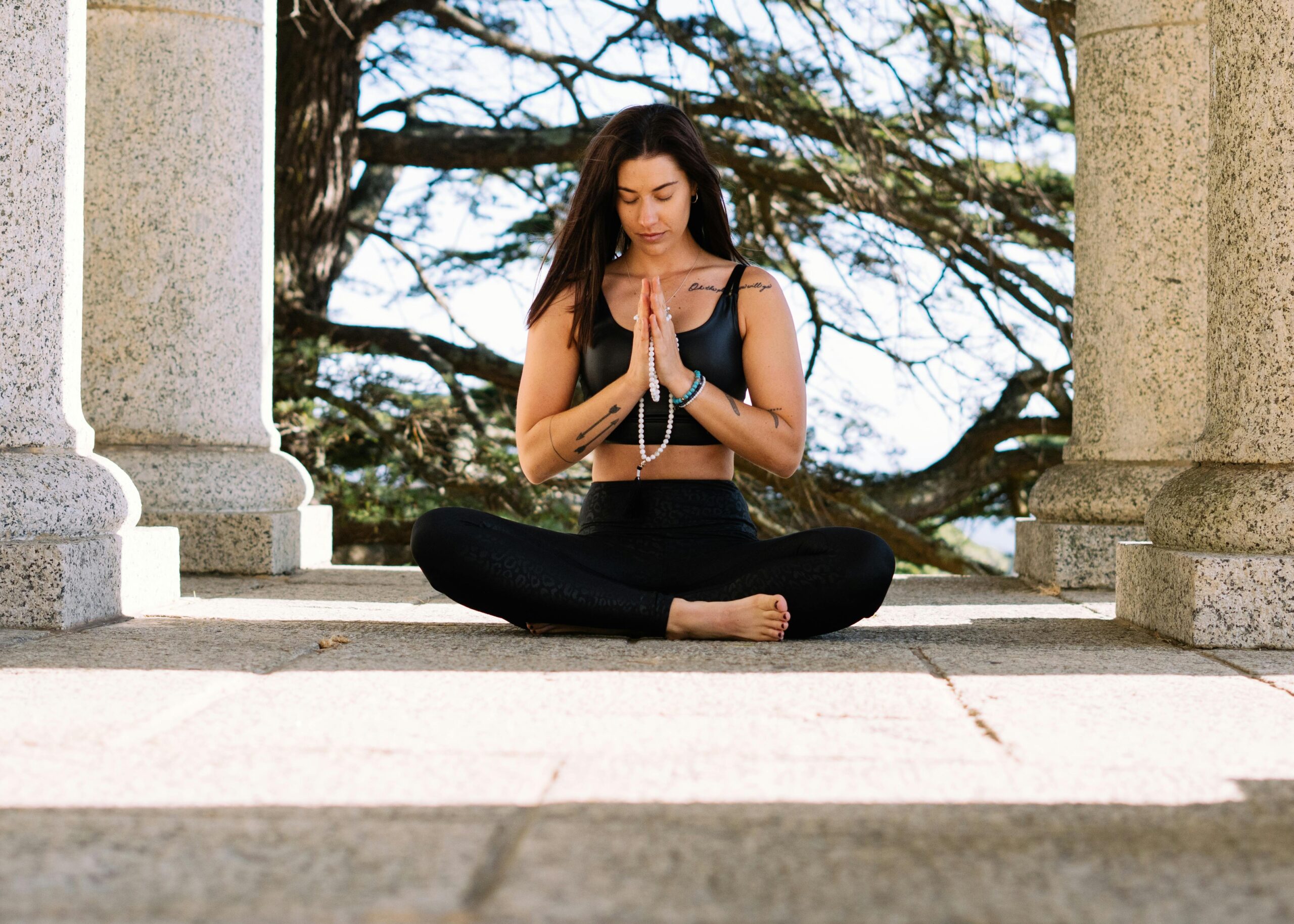
Living in Breath-Body Harmony
The ultimate goal of breath-body mastery extends beyond dedicated practice sessions into seamless integration throughout your waking hours. When breath awareness becomes continuous rather than intermittent, every activity transforms into an opportunity for presence and vitality.
Notice your breath during routine activities: driving, cooking, working at your computer, having conversations. This continuous awareness reveals how different situations affect your breathing pattern, providing real-time feedback about your nervous system state and creating opportunities for conscious regulation.
As breath-body harmony deepens, you develop intuitive wisdom about what your system needs in any given moment. Sometimes energizing practices feel appropriate; other times, calming techniques call to you. Trust this internal guidance as it emerges from increasingly refined self-awareness.
The practice naturally extends to those around you. When you embody breath-body harmony, your calm presence and centered energy affect others through mirror neurons and emotional contagion. You become a source of stability and inspiration without saying a word about breathing or wellness.
Remember that perfection is neither possible nor desirable. Some days your practice will feel profound and transformative; other days it might feel mechanical or frustrating. Both experiences provide valuable information and contribute to long-term development. Consistency matters more than any single session’s quality.
The mastery of breath-body harmony represents one of the most accessible yet powerful tools for transformation available to every human being. No equipment, no expense, no special location required—just your willingness to bring conscious awareness to this fundamental process that sustains every moment of your life. Through this simple yet profound practice, you unlock inner balance, energize your existence, and discover depths of potential you may never have imagined possible. Your breath is always with you, waiting to reveal its wisdom whenever you choose to listen.