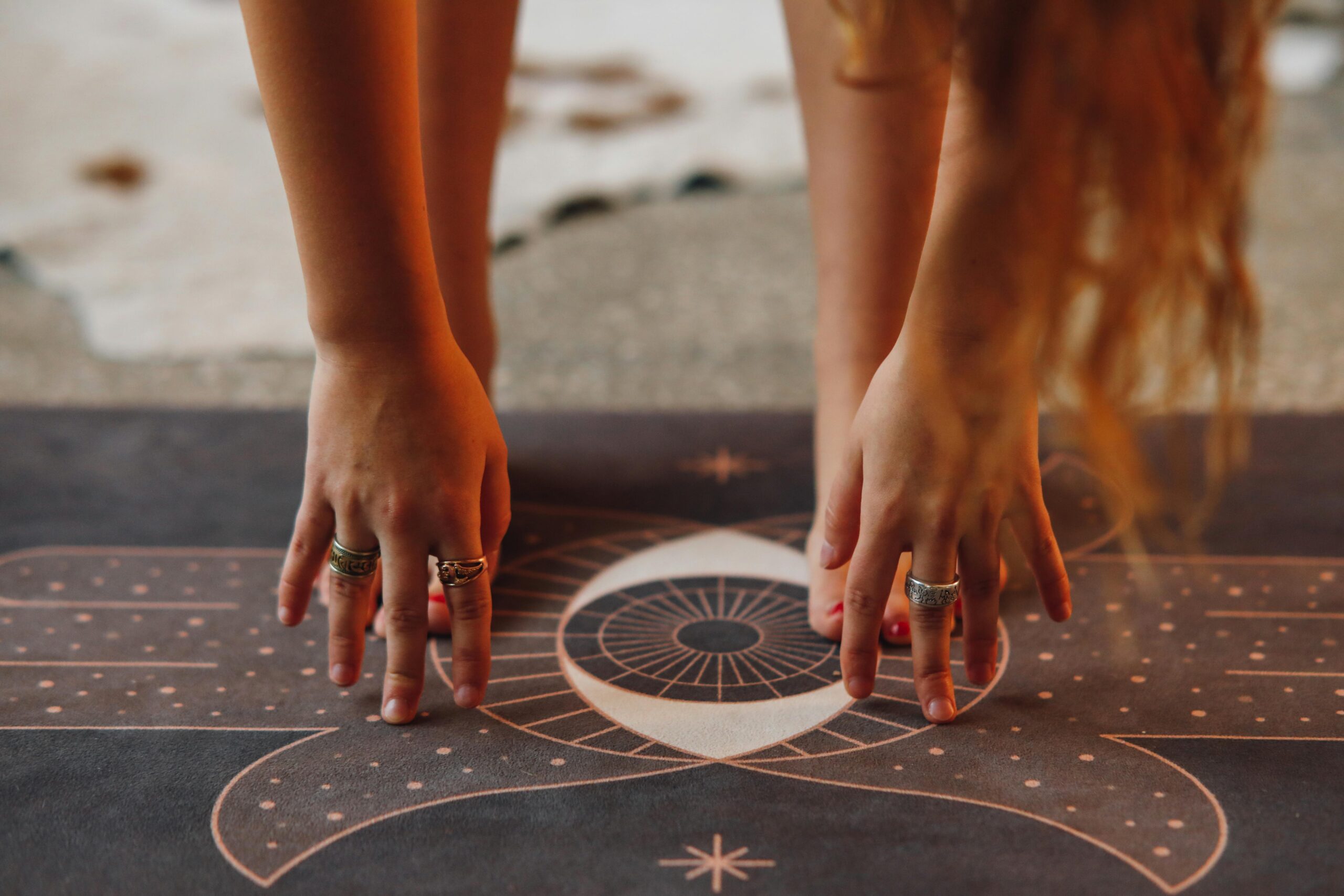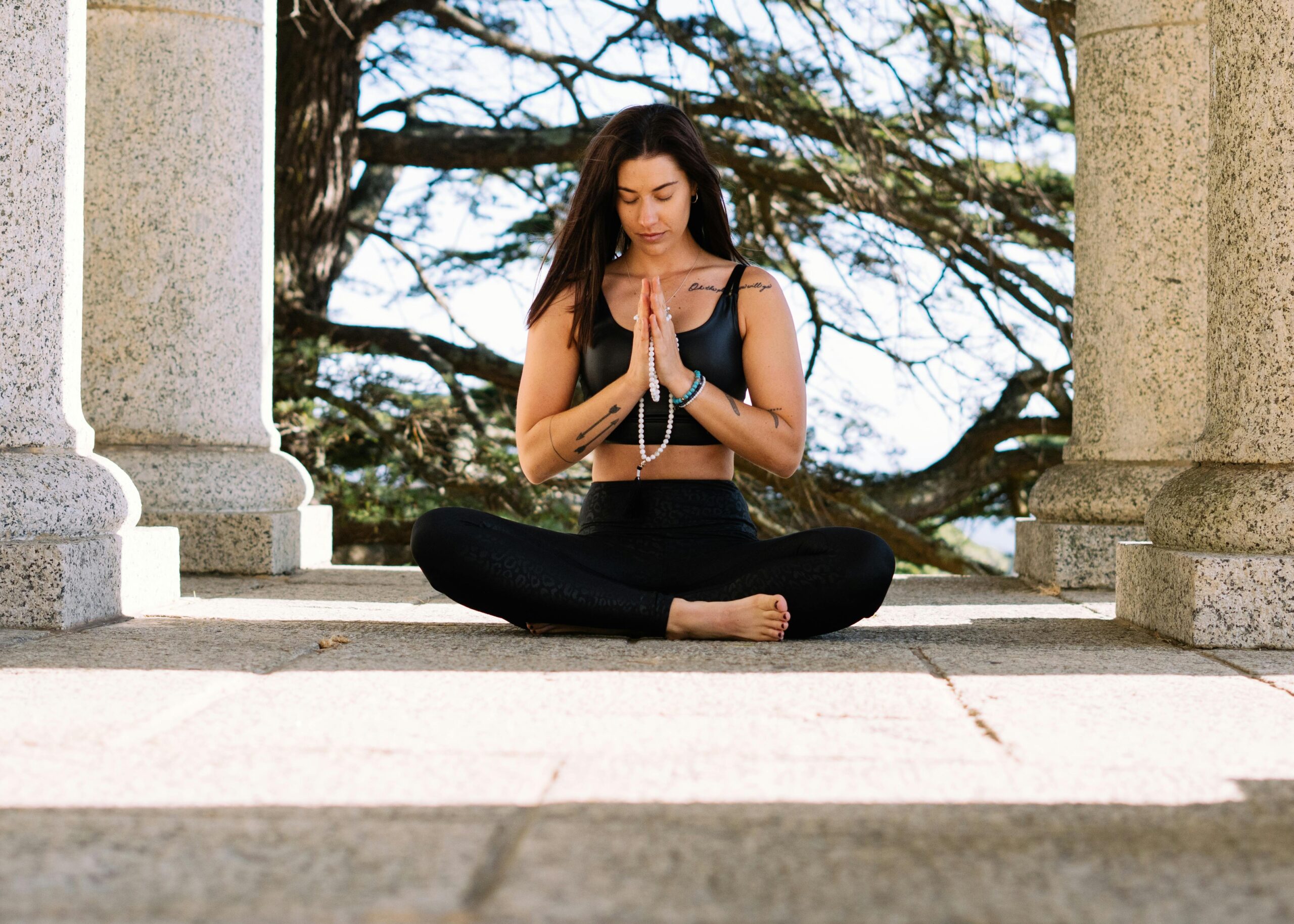
In our fast-paced modern world, finding moments of stillness and intentional movement has become essential for holistic wellness. Mindful movement rituals offer a transformative pathway to reconnect with your body, calm your mind, and revitalize your spirit through deliberate, conscious motion.

The concept of mindful movement extends far beyond traditional exercise routines. It represents a profound integration of physical activity with mental awareness, creating a synergy that nurtures both body and soul. When we move with intention, every gesture becomes an opportunity for self-discovery, healing, and energetic renewal. This ancient wisdom, practiced for millennia across various cultures, holds remarkable relevance in addressing contemporary challenges like stress, anxiety, and disconnection from our physical selves.
🌟 Understanding the Foundation of Mindful Movement
Mindful movement is the art of bringing complete awareness to physical activity, transforming ordinary motions into meditative experiences. Unlike conventional exercise that often focuses solely on physical outcomes, this practice emphasizes the quality of attention you bring to each movement. It’s about creating a dialogue between your mind and body, listening to internal sensations, and honoring your physical limitations while exploring your capabilities.
This approach draws from diverse traditions including yoga, tai chi, qigong, and dance therapy. The common thread connecting these practices is the cultivation of present-moment awareness while engaging the physical body. When you practice mindful movement, you’re not simply going through motions; you’re actively participating in a conversation with your inner landscape, observing thoughts, emotions, and physical sensations without judgment.
The Science Behind Mind-Body Connection
Research in neuroscience and psychophysiology has validated what ancient practitioners intuited centuries ago. Studies demonstrate that mindful movement activates the parasympathetic nervous system, reducing cortisol levels and promoting relaxation responses. The integration of breath, movement, and awareness creates measurable changes in brain wave patterns, shifting from beta waves associated with stress to alpha and theta waves linked with relaxation and creativity.
Furthermore, this practice enhances proprioception—your body’s ability to sense its position in space—which improves coordination, balance, and overall body awareness. The mindful attention component strengthens neural pathways between the prefrontal cortex and limbic system, enhancing emotional regulation and stress resilience. These biological changes translate into tangible benefits: reduced anxiety, improved mood, better sleep quality, and enhanced overall well-being.
✨ Creating Your Personal Movement Ritual
Establishing a meaningful mindful movement practice begins with intention and consistency rather than intensity or duration. Your ritual should feel like a sacred appointment with yourself—a time when external demands fade and internal wisdom takes center stage. Start by selecting a regular time and space that feels conducive to introspection and movement.
The beauty of mindful movement lies in its accessibility and adaptability. You don’t need expensive equipment, special clothing, or extensive training to begin. What matters most is your willingness to show up with curiosity and openness, ready to explore the sensations and insights that arise through intentional motion.
Morning Awakening Rituals
Beginning your day with mindful movement sets a positive tone for the hours ahead. Morning practices help transition from sleep to wakefulness while cultivating mental clarity and physical vitality. Consider gentle stretching sequences that honor your body’s overnight stillness, gradually introducing more dynamic movements as you become fully alert.
A simple morning ritual might include:
- Five minutes of conscious breathing while seated or lying down
- Gentle spinal movements in all directions to awaken the nervous system
- Sun salutations or similar flowing sequences that link breath with movement
- Standing balance poses to center your attention and cultivate stability
- Closing with a moment of gratitude or intention-setting for the day
Midday Energy Resets
Incorporating brief movement breaks throughout your day can dramatically shift your energy and focus. These mini-rituals serve as pattern interrupts, helping you release accumulated tension and return to tasks with renewed clarity. Even five minutes of intentional movement can recalibrate your nervous system and restore mental freshness.
Desk-bound workers particularly benefit from regular movement intervals. Simple practices like shoulder rolls, neck stretches, seated twists, and standing forward folds can counteract the effects of prolonged sitting. The key is performing these movements with full attention rather than mechanical repetition, noticing where tension resides and breathing into those areas.
Evening Wind-Down Practices
Evening rituals help transition from the activity of the day into restful states that support quality sleep. Slower, more introspective movements signal to your nervous system that it’s time to release, digest, and restore. These practices can be particularly effective for processing the day’s experiences and releasing residual stress held in the body.
Consider restorative yoga poses, gentle flowing movements like tai chi, or simple stretching sequences performed with soft lighting and calming music. The emphasis shifts from activation to integration, allowing your body to soften and your mind to quiet naturally through mindful attention to sensation and breath.
🧘 Breathwork: The Bridge Between Mind and Movement
Conscious breathing forms the essential foundation of any mindful movement practice. Your breath serves as both an anchor for attention and a regulatory mechanism for your nervous system. Learning to coordinate breath with movement transforms physical activity into a meditative experience, creating rhythmic flow that soothes both body and mind.
Different breathing patterns produce distinct physiological and psychological effects. Slow, deep breathing activates the vagus nerve, promoting relaxation and reducing heart rate. Rhythmic breathing synchronized with movement creates a hypnotic quality that quiets mental chatter. Conscious breath awareness also provides immediate feedback about your physical and emotional state, helping you adjust intensity and avoid overexertion.
Foundational Breathing Techniques
Mastering a few basic breathing patterns enhances any movement practice. Diaphragmatic breathing—allowing your belly to expand on inhalation—maximizes oxygen intake and promotes relaxation. Ujjayi breath, with its gentle constriction at the back of the throat, creates a soothing sound that focuses attention. Box breathing, with equal counts for inhalation, retention, exhalation, and pause, balances the nervous system and cultivates mental steadiness.
Experiment with different breath ratios to discover what serves your practice best. Some traditions emphasize longer exhalations to enhance relaxation, while others maintain balanced breath cycles to promote equilibrium. The key is maintaining awareness of your breathing throughout your movement practice, using it as a constant reference point for present-moment attention.
💫 Integrating Mindfulness with Traditional Practices
While specialized practices like yoga and tai chi are explicitly designed for mindful movement, you can infuse any physical activity with awareness and intention. Walking, swimming, dancing, gardening, or even household chores become opportunities for meditation when performed with full attention and conscious breath.
The transformation occurs not in the activity itself but in how you approach it. By deliberately slowing down, noticing sensations, and maintaining curiosity about your experience, ordinary movements become extraordinary opportunities for presence and self-awareness. This democratization of mindful movement makes it accessible regardless of physical ability, location, or resources.
Walking Meditation in Motion
Walking offers one of the most accessible forms of mindful movement. Unlike seated meditation, walking naturally engages your body while providing rhythmic sensory input that can anchor attention. Whether walking in nature or urban environments, you can cultivate profound awareness through deliberate attention to each step, the sensation of your feet contacting the ground, and the coordinated movement of your entire body.
Practice walking meditation by moving at a slower-than-normal pace, feeling each phase of the step: lifting, moving, placing, and shifting weight. Notice the subtle adjustments your body makes to maintain balance. Observe your surroundings without judgment, allowing sights, sounds, and sensations to arise and pass without attachment. This practice strengthens your ability to remain present during daily activities.
Dance as Expressive Movement Meditation
Free-form dance provides a powerful vehicle for emotional release and creative expression within a mindful framework. When you dance with awareness rather than performance, movement becomes a language for feelings and sensations that words cannot capture. This practice encourages authenticity, playfulness, and surrender to the wisdom of your body.
Create a safe, private space where you can move without self-consciousness. Select music that resonates with your current emotional state or the quality you wish to cultivate. Begin by standing still, tuning into your body’s impulses, then follow whatever movements arise naturally. There’s no right or wrong—only honest expression and curious exploration of how energy moves through your physical form.
🌿 Overcoming Common Obstacles
Establishing consistent mindful movement rituals often encounters predictable challenges. Recognizing these obstacles and developing strategies to address them increases your likelihood of maintaining a sustainable practice. Remember that imperfect practice consistently applied yields far greater benefits than waiting for ideal conditions that may never materialize.
Time constraints represent the most frequently cited barrier. However, mindful movement doesn’t require lengthy sessions to be effective. Even three to five minutes of intentional movement provides measurable benefits. The key is consistency rather than duration. Consider stacking your practice with existing habits—moving mindfully while your morning coffee brews or practicing breathing exercises during your commute.
Adapting to Physical Limitations
Physical challenges, injuries, or chronic conditions need not prevent mindful movement practice. In fact, these circumstances often deepen awareness and compassion as you learn to work skillfully with limitations rather than against them. The practice becomes about honoring where you are rather than forcing yourself toward an idealized state.
Modify movements to accommodate your body’s current needs. Chair-based practices offer full-body movement for those with mobility limitations. Gentle, micro-movements provide profound benefits when larger ranges of motion aren’t accessible. The essence of mindful movement—bringing awareness to sensation and breath—remains available regardless of physical capability.
Managing Restless Mind and Expectations
Mental restlessness and unrealistic expectations frequently derail new practitioners. Your mind will wander during practice—this is normal and expected. Mindful movement isn’t about achieving perfect concentration but about noticing when attention drifts and gently returning it to present-moment experience. Each redirection strengthens your attention muscles.
Release expectations about how you should feel or what should happen during practice. Some sessions will feel expansive and peaceful; others may bring discomfort or agitation to the surface. All experiences are valid and informative. Your practice is not about producing specific states but about developing the capacity to be present with whatever arises.
🌈 Deepening Your Practice Over Time
As your mindful movement practice matures, subtle shifts occur in how you relate to your body, emotions, and life circumstances. You may notice increased resilience during stressful situations, greater ease in physical movement, improved sleep quality, or enhanced emotional regulation. These changes often emerge gradually, revealing themselves through accumulated moments of practice rather than dramatic breakthroughs.
Deepening your practice involves cultivating curiosity and willingness to explore new dimensions of movement and awareness. Consider periodically refreshing your routine with new modalities, attending workshops or classes, or working with experienced teachers who can offer guidance and inspiration. Reading books and listening to teachings about mindfulness and embodiment can enrich your understanding and motivation.
Building Community and Accountability
While mindful movement can be deeply personal, connecting with others who share this interest provides support, inspiration, and accountability. Consider joining classes, online communities, or practice groups where you can share experiences and learn from others’ perspectives. Community practice often generates collective energy that enhances individual experience.
Accountability partnerships—agreeing to practice regularly with a friend or group—can help maintain consistency during periods of low motivation. Sharing your journey, challenges, and insights with others normalizes the ups and downs of establishing new habits and reminds you that you’re not alone in this process.
🎯 Measuring Progress Beyond the Physical
Unlike conventional fitness programs with quantifiable metrics like weight loss or strength gains, mindful movement success manifests in qualitative shifts. You might notice greater patience with yourself and others, improved ability to pause before reacting, enhanced appreciation for simple pleasures, or deeper connection with your authentic self. These intangible benefits often prove more valuable than physical changes.
Keep a simple practice journal to track subtle shifts in awareness, mood, and physical sensation. Note what you discover about yourself through movement, patterns that emerge, and moments of insight or peace. Over time, these observations reveal the profound impact of your practice on overall well-being, providing motivation to continue even when progress feels imperceptible.
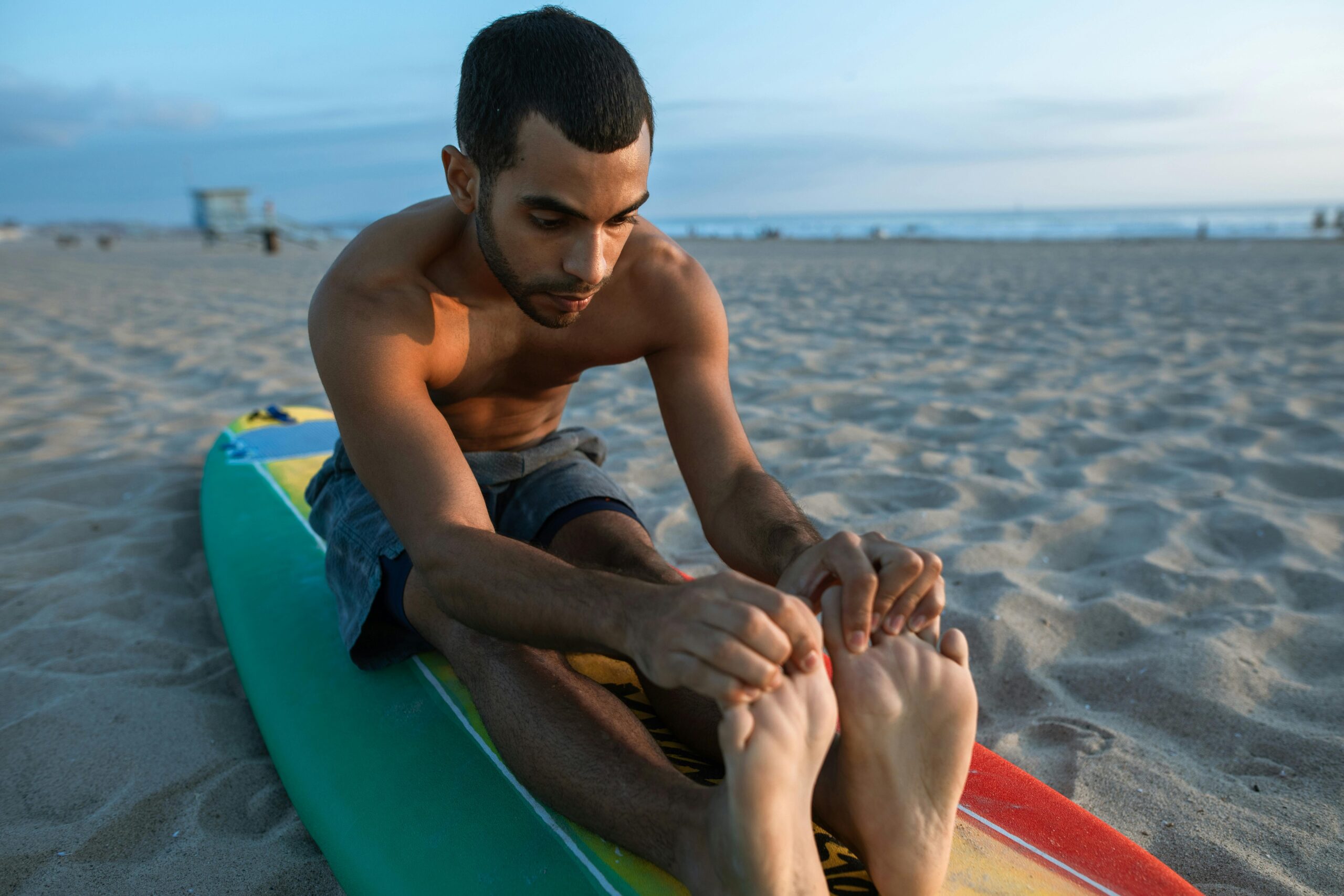
🌸 Embracing Movement as a Lifelong Practice
Mindful movement rituals offer a sustainable approach to well-being that adapts as you age and your life circumstances change. Unlike fitness trends focused on peak performance, this practice emphasizes presence, self-compassion, and meeting yourself where you are. It becomes not another task to accomplish but a refuge—a reliable source of inner peace and vitality regardless of external conditions.
As you continue exploring intentional motion, you’ll discover that the practice extends beyond formal sessions into daily life. Washing dishes, playing with children, climbing stairs, or waiting in line become opportunities for mindfulness when you bring conscious awareness to these ordinary moments. This integration represents the ultimate fruit of practice—a life lived with greater presence, ease, and appreciation.
Your journey with mindful movement is uniquely yours, unfolding at its own pace and revealing insights specific to your experience. Trust the process, honor your body’s wisdom, and return again and again to the simple invitation to move with awareness and breathe with intention. Through this practice, you cultivate not only physical vitality but also the inner peace and energetic presence that allow you to fully engage with life’s beautiful, complex, ever-changing landscape.