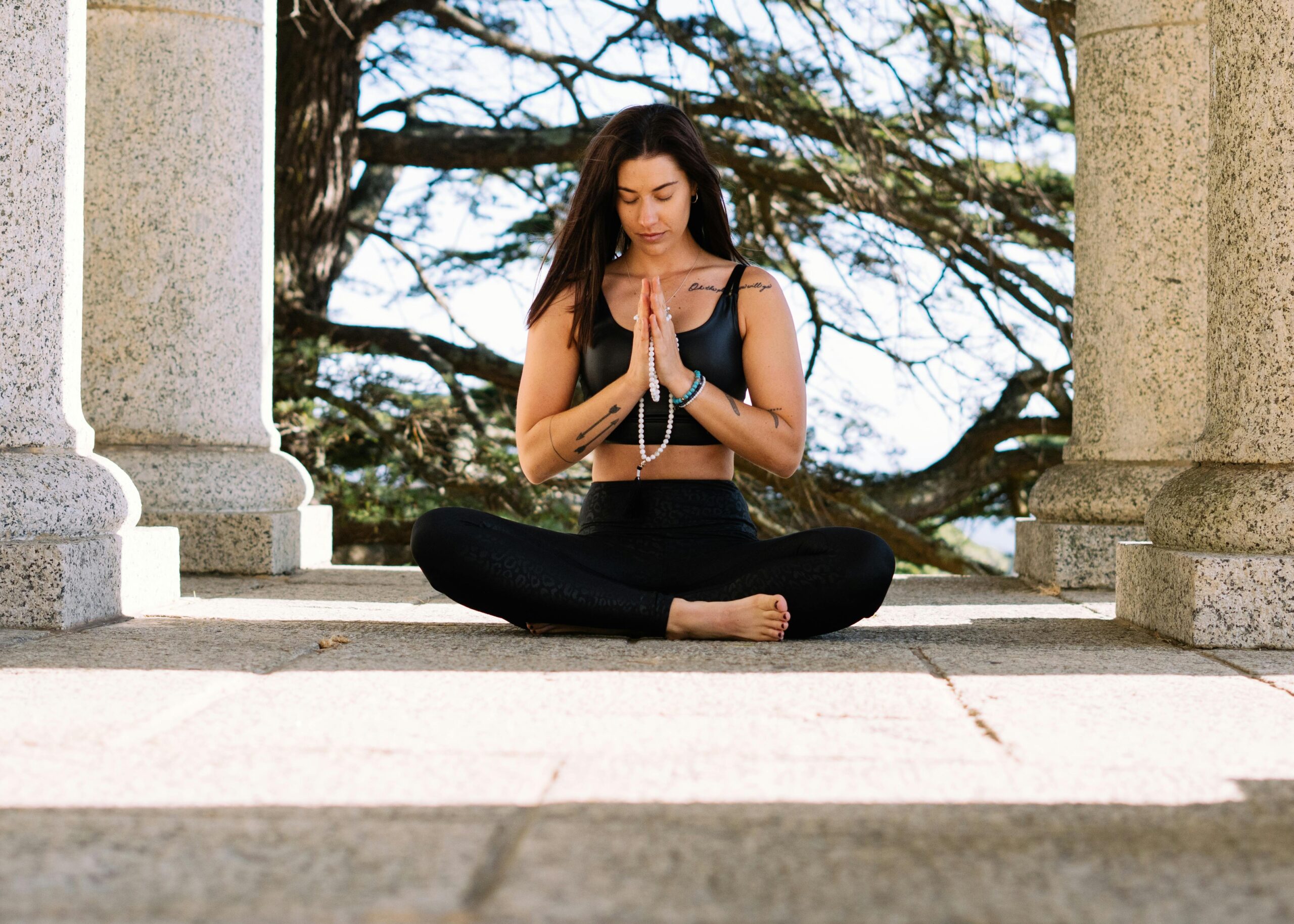
In a world that never stops spinning, finding moments of calm can feel like searching for a rare treasure. Stress has become an unwelcome companion for millions, affecting mental clarity, physical health, and overall well-being.

The good news? You already possess the most powerful tool for transforming stress into serenity: your body. Somatic grounding practices offer a scientifically-backed pathway to reclaim your inner peace, helping you navigate life’s challenges with greater resilience and presence. These techniques work by reconnecting your mind with your body, creating a foundation of stability even amid chaos.
🌿 Understanding the Body-Mind Connection in Stress Management
Stress isn’t just a mental experience—it’s a full-body phenomenon. When you encounter a stressful situation, your nervous system activates an ancient survival mechanism known as the fight-or-flight response. Your heart rate increases, muscles tense, breathing becomes shallow, and stress hormones flood your bloodstream.
While this response helped our ancestors survive physical threats, modern stressors like work deadlines, financial worries, and relationship conflicts trigger the same physiological reactions. The problem is that chronic activation of this stress response can lead to anxiety, depression, sleep disturbances, digestive issues, and weakened immunity.
Somatic grounding practices work by engaging the body’s natural relaxation response, specifically targeting the vagus nerve—a key player in your parasympathetic nervous system. By learning to recognize and release physical tension, you can interrupt the stress cycle before it takes hold, creating space for calm and clarity to emerge.
💫 What Makes Somatic Grounding Different from Other Stress Techniques
Unlike traditional stress management approaches that focus primarily on changing thoughts or behaviors, somatic grounding emphasizes body awareness and physical sensation. This bottom-up approach acknowledges that trauma, stress, and emotional experiences are stored in the body’s tissues, nervous system, and cellular memory.
The beauty of somatic practices lies in their accessibility. You don’t need special equipment, expensive memberships, or hours of free time. These techniques can be practiced anywhere—at your desk, in your car, or while standing in line at the grocery store. They work with your body’s innate wisdom rather than against it.
Research in neuroscience has validated what ancient healing traditions have known for centuries: the body holds the key to releasing stored stress and trauma. By developing somatic awareness, you learn to read your body’s signals before stress escalates into overwhelm, creating opportunities for early intervention and self-regulation.
🧘 Essential Somatic Grounding Practices to Start Today
The Five Senses Grounding Technique
This powerful practice anchors you firmly in the present moment by engaging all five senses. When you notice stress building, pause and identify five things you can see, four things you can touch, three things you can hear, two things you can smell, and one thing you can taste. This simple exercise interrupts anxious thought patterns and brings your awareness back to the here and now.
The five senses technique is particularly effective during panic attacks or moments of acute anxiety. By directing attention to sensory information, you activate the prefrontal cortex—the thinking part of your brain—which helps calm the amygdala, your brain’s alarm system.
Feet on the Floor Body Scanning
Begin by placing both feet flat on the floor. Notice the contact points between your feet and the ground. Feel the weight of your body being supported by the earth beneath you. Slowly scan your attention up through your body, noticing any areas of tension, tightness, or discomfort without trying to change them.
This practice cultivates what somatic therapists call “interoception”—the ability to sense internal bodily states. Enhanced interoception allows you to recognize stress signals earlier, giving you more control over your emotional responses. Practice this body scan for just three to five minutes daily to build your somatic awareness muscles.
Conscious Breathing for Nervous System Regulation
Your breath is a direct line to your nervous system. When stressed, breathing typically becomes rapid and shallow, centered in the chest. By consciously slowing and deepening your breath, you send safety signals to your brain, activating the relaxation response.
Try the 4-7-8 breathing technique: inhale through your nose for a count of four, hold for seven counts, then exhale slowly through your mouth for eight counts. This pattern increases oxygen flow, reduces heart rate, and promotes a sense of calm. Practice this technique three times in succession whenever you notice stress building.
Progressive Muscle Relaxation
This somatic practice involves systematically tensing and releasing different muscle groups throughout your body. Start with your toes, deliberately squeezing them tight for five seconds, then releasing completely. Notice the difference between tension and relaxation. Move progressively upward through your legs, abdomen, arms, shoulders, and face.
Progressive muscle relaxation teaches your body what true relaxation feels like, making it easier to recognize and release unnecessary tension throughout your day. Many people discover they’ve been holding chronic tension in areas they weren’t even aware of—particularly in the jaw, shoulders, and forehead.
Grounding Through Movement
Physical movement is one of the most effective ways to discharge stress energy stored in the body. You don’t need intense exercise to reap the benefits. Simple movements like shaking your arms and legs, doing gentle stretches, or taking a mindful walk can help complete the stress cycle.
When practicing movement as grounding, focus on the physical sensations rather than performance or appearance. Notice how your muscles feel, how your breath changes, and how your emotional state shifts as you move. This embodied awareness transforms ordinary movement into a powerful stress-release tool.
🌊 Creating Your Personal Grounding Practice
Building a sustainable somatic grounding practice requires consistency rather than perfection. Start by selecting one or two techniques that resonate with you and commit to practicing them daily, even for just five minutes. Morning is often ideal, as it sets a calm tone for the entire day, but any consistent time works.
Keep a simple grounding journal to track your experiences. Note which practices feel most effective for different types of stress. Some techniques work better for acute anxiety, while others are more suited for chronic tension or emotional overwhelm. Over time, you’ll develop a personalized toolkit matched to your unique needs.
Consider setting reminders on your phone to check in with your body throughout the day. These micro-practices—taking three conscious breaths, noticing your feet on the floor, or doing a quick body scan—prevent stress from accumulating and keep you connected to your somatic experience.
📱 Technology Tools to Support Your Practice
While somatic grounding emphasizes direct body awareness, certain apps can support your practice journey by offering guided exercises, reminders, and tracking features. Insight Timer provides thousands of free guided meditations, including specific somatic and body-based practices led by experienced teachers from various traditions.
Remember that technology should enhance rather than replace your direct somatic experience. Use apps as training wheels while you develop your practice, but cultivate the ability to ground yourself without external support. The true power of somatic grounding lies in its portability and accessibility in any moment.
🎯 Overcoming Common Challenges in Somatic Practice
When Body Awareness Feels Uncomfortable
Some people initially find increased body awareness unpleasant, especially if they’ve spent years disconnecting from physical sensations. If turning attention inward triggers anxiety or discomfort, start with very brief practices—even 30 seconds—and gradually increase duration as tolerance builds.
It’s also helpful to begin with external grounding techniques like the five senses exercise before moving to internal body scanning. This creates a sense of safety and orientation that makes deeper somatic work more accessible. Always honor your pace and never force yourself beyond your window of tolerance.
Dealing with Restlessness and Impatience
In our fast-paced culture, slowing down to notice subtle bodily sensations can feel counterintuitive or frustrating. Your mind may protest that you’re wasting time or should be doing something more productive. Recognize these thoughts as stress patterns themselves—the very thing you’re learning to transform.
Reframe your grounding practice as productive self-care that enhances all other areas of your life. Just as you wouldn’t skip brushing your teeth, don’t skip your daily dose of nervous system regulation. The minutes you invest in grounding return multiplied through increased focus, emotional resilience, and creative problem-solving.
Maintaining Consistency Through Busy Periods
Ironically, we often abandon self-care practices precisely when we need them most—during high-stress periods. Combat this tendency by simplifying your practice during busy times rather than abandoning it completely. Even one minute of conscious breathing or body awareness maintains the neural pathways you’ve been developing.
Link your grounding practice to existing habits through “habit stacking.” For example, practice feet-on-floor grounding every time you sit at your desk, do three conscious breaths before each meal, or scan your body while waiting for your computer to start. These micro-practices accumulate into significant stress reduction over time.
🌟 The Science Behind Somatic Grounding
Research in neuroscience and psychology increasingly validates the effectiveness of body-based stress interventions. Studies show that somatic practices activate the ventral vagal complex, the newest evolutionary portion of the vagus nerve responsible for social engagement and calm states.
Brain imaging studies reveal that regular body awareness practices increase gray matter density in areas associated with emotional regulation, empathy, and self-awareness. These structural changes explain why consistent practice leads to lasting improvements in stress resilience rather than just temporary relief.
The polyvagal theory, developed by Dr. Stephen Porges, explains how somatic practices work at the nervous system level. By engaging body-based techniques, you can shift your autonomic nervous system from defensive states (fight, flight, or freeze) to a safe, socially engaged state where healing, growth, and connection become possible.
💪 Building Long-Term Stress Resilience
While somatic grounding provides immediate relief during stressful moments, its greatest value emerges through consistent practice over time. Regular engagement with these techniques literally rewires your nervous system, increasing your baseline capacity to handle stress without becoming overwhelmed.
Think of somatic practice as building physical fitness for your nervous system. Just as regular exercise strengthens muscles and improves cardiovascular health, daily grounding practices enhance your stress resilience, emotional flexibility, and capacity for presence. The changes accumulate gradually but profoundly.
Many practitioners report that after several months of consistent practice, they naturally notice stress signals earlier and respond more skillfully. What once triggered hours of anxiety might now be processed in minutes. This isn’t about eliminating stress—an impossible goal—but transforming your relationship with it.
🌈 Integrating Grounding into Daily Life
The ultimate aim of somatic practice is seamless integration into daily life rather than treating it as a separate activity. As your body awareness deepens, you’ll naturally notice tension arising and release it before it accumulates. Grounding becomes a way of being rather than something you do.
Look for everyday opportunities to practice: while showering, notice the sensation of water on your skin; while eating, truly taste and feel the texture of food; while walking, sense your feet making contact with the ground. These moments of embodied presence transform routine activities into grounding practice.
Share somatic techniques with family members, creating a household culture of nervous system awareness and regulation. Children particularly benefit from learning these skills early, developing emotional intelligence and stress resilience that serves them throughout life. Simple practices like “belly breathing” or “body weather reports” make these concepts accessible for all ages.

✨ Your Journey from Stress to Serenity
Transforming stress into serenity isn’t about achieving a permanent state of bliss or eliminating all challenges from your life. It’s about developing the capacity to meet whatever arises with greater groundedness, presence, and self-compassion. Somatic grounding practices provide the tools for this transformation.
Start where you are, with whatever time and energy you have available. Choose one practice from this article and commit to exploring it for the next week. Notice what changes—not just in your stress levels, but in your overall sense of connection to yourself and your life.
Remember that developing somatic awareness is a journey, not a destination. There will be days when practice feels effortless and days when it feels impossible. Both are part of the process. What matters is showing up consistently, bringing curiosity and kindness to whatever you discover in your body.
The path to calm isn’t found by escaping your body or overriding its signals with willpower. True serenity emerges when you learn to listen deeply to your body’s wisdom, honor its needs, and work with rather than against its natural rhythms. Through powerful somatic grounding practices, you’re not just managing stress—you’re cultivating a fundamentally new way of inhabiting your life, one breath and one sensation at a time. 🌿